
Miami Waterfront & Culture: A Traveler’s Guide to Food, Nightlife, and Climate Resilience
Miami is more than sun and sand—it’s a dynamic coastal city balancing vibrant culture, booming hospitality, and urgent climate challenges. The result is a fascinating blend of nightlife, art, dining, and waterfront innovation that keeps locals and visitors engaged.
Why Miami’s waterfront matters
Miami’s identity is tied to its shoreline, from wide sandy beaches to Biscayne Bay and the Everglades beyond. Rising tides and stronger storms have pushed coastal resilience into the spotlight, prompting investments in infrastructure and urban design. Expect to see raised roads, upgraded stormwater pumps, seawalls, and soft-engineering approaches like mangrove and living-shoreline restoration. These measures aim to protect neighborhoods while preserving the ecosystems that support fishing, boating, and recreation.
Neighborhoods and culture
Miami neighborhoods deliver distinct flavors.
South Beach remains synonymous with Art Deco architecture and beach culture. Wynwood draws art lovers with its mural-covered streets, galleries, and creative start-ups.
Little Havana offers an immersive Cuban-American experience with live music, coffee shops, and cultural festivals. Coconut Grove provides a laid-back, bayfront vibe with parks and boutique shops. Each neighborhood contributes to a textured cultural landscape that feeds Miami’s reputation as a global creative hub.
Food and nightlife
Culinary diversity is a headline attraction. From high-end seafood and Latin fusion to casual sidewalk cafes and food halls, Miami’s food scene celebrates global influences.
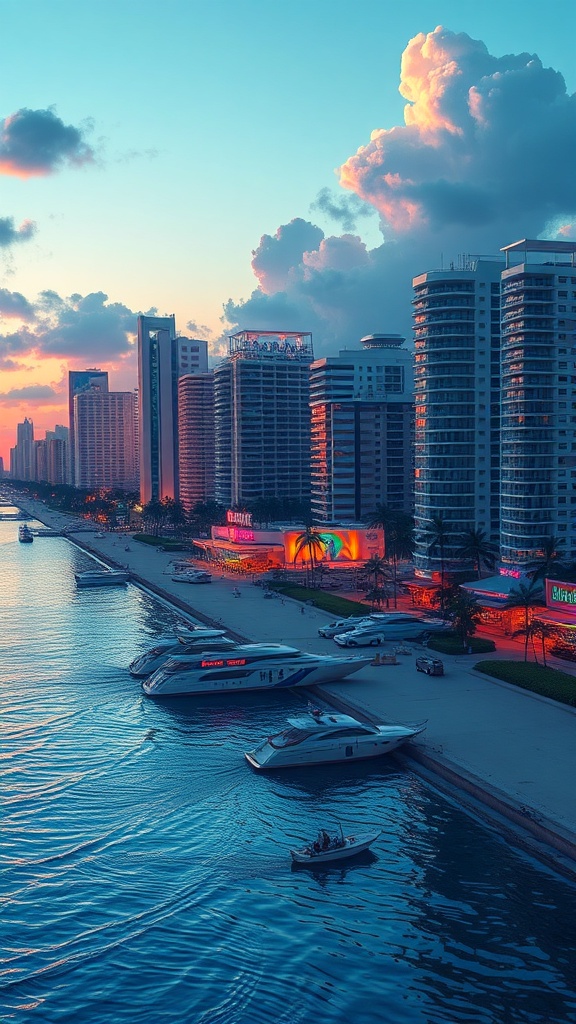
Nightlife is equally varied: beachfront lounges, rooftop bars with skyline views, intimate jazz venues, and large music clubs. Dining trends emphasize sustainable seafood, locally sourced produce, and experiential pop-ups—great for food-focused travelers and locals seeking something new.
Outdoor activities and green spaces
Despite urban growth, outdoor life thrives. Beaches and water sports draw those who want to swim, paddleboard, or charter a boat. The nearby Everglades offer airboat tours and wildlife viewing for nature lovers.
Urban parks and waterfront promenades provide running and biking routes, and community gardens are becoming more common as the city prioritizes public green space.
Transportation and getting around
Getting around Miami is increasingly multimodal.
Ride-hailing, car-sharing, and public transit coexist with growing bicycle infrastructure and pedestrian improvements.
For short distances, scooters and bikes are popular; for longer trips, commuter rail and bus networks help connect neighborhoods. Many visitors find a mix of walking, rideshares, and local transit the most efficient way to explore.
Sustainable travel tips
– Choose accommodations that prioritize water and energy efficiency.
– Support local, independent restaurants and markets to help the community economy.
– Pack reef-safe sunscreen and follow local guidelines for marine conservation.
– Respect neighborhoods by observing noise and parking rules, especially near residential areas.
What to expect as a visitor or resident
Miami will continue to evolve as it adapts to environmental realities while amplifying its cultural strengths.
Expect ongoing construction and improvement projects aimed at resilience, alongside new restaurants, galleries, and community initiatives. Whether you’re visiting for the beaches, the art, or the food, Miami offers an energetic, coastal-city experience shaped by creative people and a commitment to protecting what makes the city special.