
Why the Miami Dolphins’ Speed-First Identity Still Matters in the NFL
Why the Miami Dolphins’ Speed-First Identity Still Matters
The Miami Dolphins continue to be one of the NFL’s most watchable teams thanks to an offense built around extreme speed, creative play design, and a willingness to push tempo.
That identity shapes roster construction, game planning, and the way opponents prepare for Miami each week.
Aerial weapons and game-breaking speed
At the heart of the Dolphins’ attack are explosive perimeter playmakers who turn short targets into long gains. A deep-threat receiver who stretches the field vertically pairs with a track-speed complement who excels in contested catches and YAC (yards after catch). That combination forces defenses to choose between guarding the deep ball and respecting quick, rhythm-based passing — creating lanes for screens, quick outs, and quarterback mobility.
The running game was reimagined to complement the passing attack rather than replace it. A home-run-capable runner with breakaway speed gives the offense another dimension on early downs and in open-field situations. That duo of vertical passing and explosive rushing creates matchup problems and opens up creative play-calling in the red zone.
Play-calling and pace
Offensive scheming emphasizes spacing, pre-snap motion, and tempo to stress defenses physically and mentally. Quick-snapping, no-huddle sequences keep defenses from substituting and force mismatches.
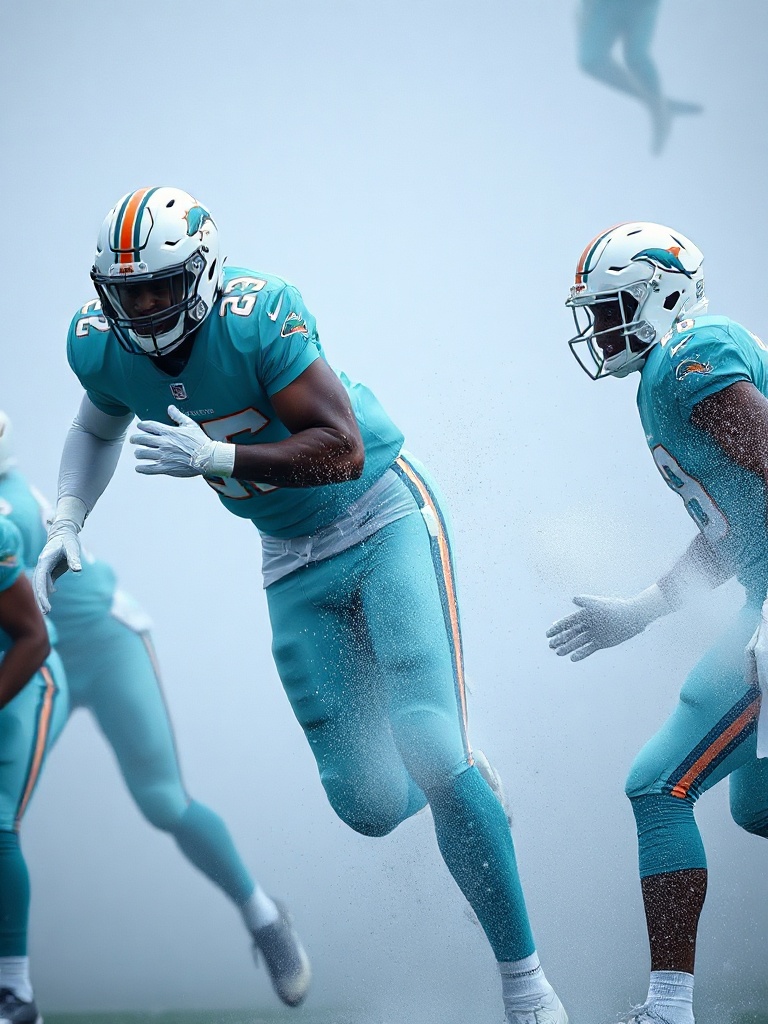
Play designs often include layered route concepts that allow the quarterback to progress through reads quickly, benefiting an offense that thrives on timing and the ability to flip field position in one play.
Pass protection and quarterback health
Investing in pass protection and load management for the quarterback is a central focus. The combination of rapid-paced offenses and a reliance on a true passing game makes reducing hits and limiting concussive risk a strategic priority. Offensive-line play, schematic adjustments, and carefully managed practice reps all factor into keeping the quarterback available and effective.
Defense: complementary but evolving
Defensively, the team has prioritized playmakers who can generate turnovers and pressure while maintaining enough speed to limit explosive plays. A stout interior presence anchors the front, while athletic edge rushers and versatile defensive backs enable a lot of sub-packages that mirror the offense’s speed. Continued investment in depth — particularly at cornerback and linebacker — helps manage the grind of a long season and the inevitability of injuries.
Front office strategy and roster balance
Roster construction reflects a focus on speed and scheme fit over pure star power. That means valuing players who can execute high-tempo systems, contribute in multiple roles, and stay healthy across the season. Smart cap management and targeted free-agent additions help maintain flexibility while pursuing impact talent in key positions through the draft.
Fan experience and the local connection
Home games at Hard Rock Stadium offer a mix of South Florida energy and a modern stadium experience. Community outreach and local partnerships remain integral to the franchise’s image, strengthening ties with fans across Miami-Dade and beyond. Tailgates, themed game nights, and fan-driven events keep engagement high and expand the team’s regional footprint.
What to watch
Key indicators to monitor include the health and availability of the quarterback, the offensive line’s capacity to hold up against top pass rushes, and how well the defense limits explosive plays.
Roster moves that add versatile athletes who can play multiple roles will often be the difference between a good team and a playoff threat.
The Dolphins’ commitment to high-octane offense and speed-focused roster building keeps them among the league’s most dynamic teams. When everything clicks — from protection to receiver spacing to defensive opportunism — the result is an exciting brand of football that is both entertaining and difficult to defend.