
Miami Guide: Neighborhoods, Eats, Arts, Transit & Moving Tips
Miami is more than sun and sand — it’s a dynamic coastal metropolis where vibrant cultures, world-class arts, and fast-moving development converge.
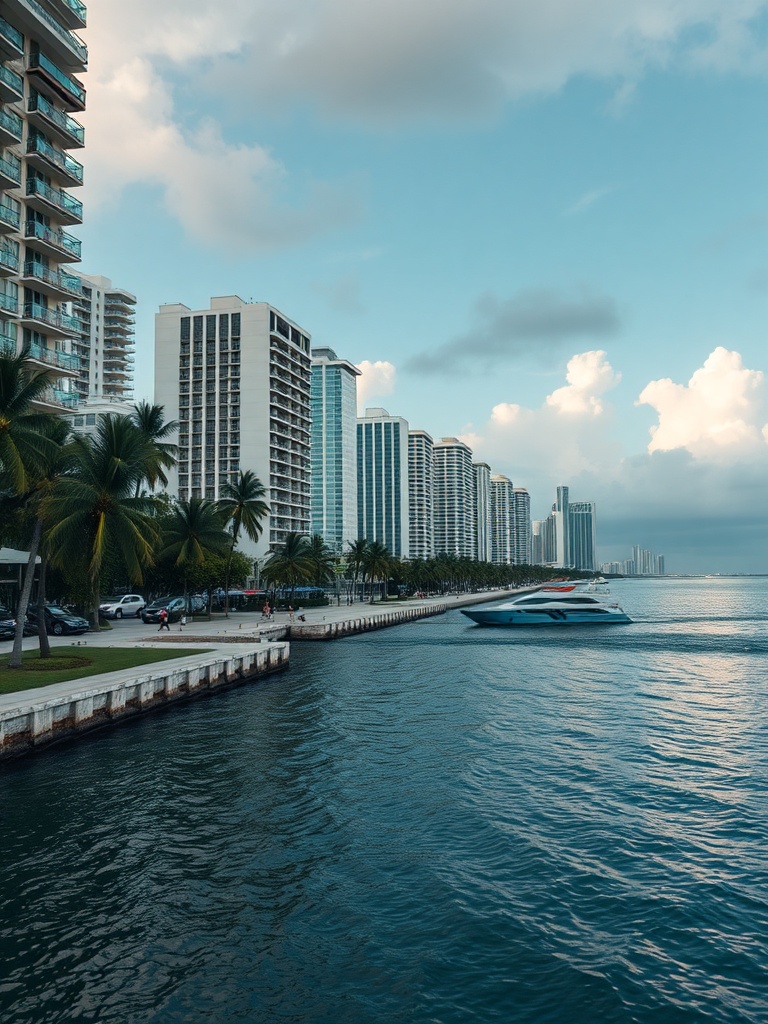
Whether you’re visiting for the beaches and nightlife or exploring neighborhoods as a potential resident, understanding Miami’s layers helps you get the most from the city.
What to expect
Expect lively neighborhoods, diverse dining, and year-round outdoor living.
Warm, humid summers give way to milder winters, so timing a trip around weather preferences makes sense: for cooler, dryer days aim for the cooler season; for lower hotel rates and quieter beaches consider the shoulder months.
Waterfront recreation, from boating to paddleboarding, is a daily option for locals and visitors alike.
Neighborhood highlights
– South Beach: Synonymous with Art Deco architecture, beach culture, and an energetic nightlife scene. Perfect for first-time visitors who want that iconic Miami postcard vibe.
– Wynwood: A magnet for street art, galleries, and creative startups. Wynwood Walls and nearby design spots make it a must-see for culture and photography.
– Little Havana: The heart of Miami’s Cuban and Caribbean heritage. Stroll Calle Ocho for cafecitos, pastelitos, live music, and cultural landmarks.
– Brickell and Downtown: Miami’s financial hub with high-rise living, upscale dining, and easy access to public transit like Metrorail and Metromover.
– Coconut Grove and Coral Gables: Offer a more relaxed, leafy atmosphere with boutique shops, historic architecture, and family-friendly parks.
Arts and culture
Miami’s cultural calendar is packed with gallery openings, live music, and international art fairs that draw global interest.
Museums, performance venues, and community arts spaces ensure there’s always something fresh to discover.
Neighborhood arts districts provide excellent walking routes for exploring murals, independent galleries, and pop-up shows.
Food and drink
Culinary influences from Latin America and the Caribbean shape Miami’s food scene.
Small plates, seafood, and bold flavors dominate menus from casual taquerias to fine-dining restaurants. Coffee culture is big — seek out local roasters and Cuban-style cafés for an authentic taste. For nightlife, rooftop bars and lively clubs offer panoramas and pulsating music into the early hours.
Getting around
Car rentals are common, but traffic can be heavy during peak times. Public transit includes Metrorail, Metromover (downtown’s free automated people mover), buses, and local trolleys. Rideshare services and bike-share programs help with short hops. For a scenic commute, water taxis and ferries connect specific waterfront points.
Real estate and living
Miami’s housing market mixes luxury condos, historic homes, and emerging rental neighborhoods. Waterfront properties command premiums, while inland neighborhoods can offer better value and strong community ties. For buyers and renters, working with a local agent who knows flood zones, building codes, and insurance nuances is essential.
Resilience and planning
As a coastal city, Miami is actively investing in stormwater management, elevated infrastructure, and green solutions to combat nuisance flooding and storm impacts. Many neighborhoods are adopting long-term adaptation strategies, making resilience a consideration for property owners and city planners alike.
Tips for visiting
Book accommodations early for major art and cultural events. Bring lightweight, sun-protective clothing and reusable water bottles. Explore beyond the beaches to get a fuller sense of Miami’s neighborhoods and culinary diversity.
Miami is both a vacation hotspot and a place people call home.
Its mix of culture, commerce, and coastline keeps it compelling for travelers and residents looking for sun, creativity, and urban energy.