
Miami: How Coastal Resilience, Culture, and Neighborhoods Are Shaping the City’s Future
Miami is evolving fast — not just as a destination for beaches and nightlife, but as a laboratory for coastal cities balancing growth, culture, and climate challenges. Whether you’re visiting, moving, or watching from afar, understanding how Miami blends resilience, creativity, and commerce gives a clearer picture of what makes this city distinctive.
A city shaped by water
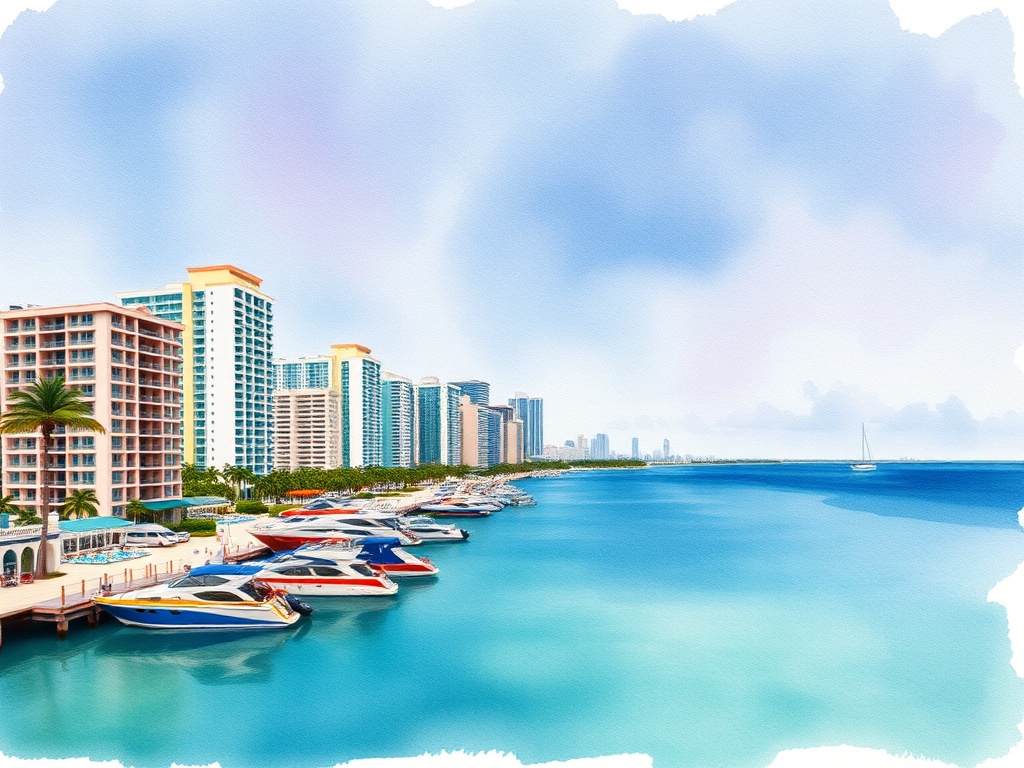
Water defines Miami’s identity: Biscayne Bay, the Intracoastal, and miles of sandy coastline fuel tourism, boating, and outdoor life.
That same water has driven forward-thinking responses to flooding and sea-level pressures. Public and private investments are increasingly visible: raised roads and sidewalks, upgraded drainage and pump systems, restored mangrove shorelines, and green stormwater infrastructure. Efforts to protect critical neighborhoods and preserve coastal ecosystems are becoming standard parts of planning, as are updates to building codes meant to strengthen new construction.
Neighborhoods and culture
Miami’s neighborhoods offer different flavors. South Beach remains the magnet for sun, design, and nightlife; Wynwood is a must-see for street art, galleries, and creative commerce; Little Havana offers Cuban culture, music, and food that attract both locals and visitors. Brickell has emerged as a dense financial and residential hub with high-rise living and a fast-paced dining scene, while quieter enclaves near the bay provide more residential calm.
Arts, food, and festivals
Culture is central to Miami’s appeal. World-class museums and contemporary galleries share the spotlight with pop-up art, independent music venues, and public murals. The food scene is a fusion of Latin Caribbean, Southern, and global influences — from casual cafés serving Cuban coffee to elevated restaurants showcasing seasonal seafood and South Florida flavors. Food halls and outdoor markets make it easy to sample a variety of local tastes in one outing.
Getting around
Driving is common, but Miami offers a range of transit options that can ease congestion. Free downtown circulators, commuter rails, and ferry services provide alternatives for many trips, and bike-friendly corridors and trails have expanded in recent years. Traffic planning continues to shape how residents move between neighborhoods, airports, and the coast.
Real estate and lifestyle considerations
The real estate market here attracts global buyers and longtime residents alike, drawn by waterfront views and investment potential.
At the same time, buyers and renters are weighing long-term factors like flood risk, insurance availability, and infrastructure improvements when choosing neighborhoods. For creators and professionals, Miami’s blend of lifestyle and business-friendly policies keeps it attractive as a place to live and work.
Practical tips for visitors and new residents
– Plan outdoor activities around weather patterns; midday heat and sudden showers are common.
– Choose accommodations with higher floors if you want peace of mind during heavy rain events.
– Use transit options within downtown and Brickell to avoid parking hassles.
– Support local businesses in neighborhoods like Little Havana and Wynwood to experience authentic flavors and culture.
– Explore beyond the coast: parks, river trails, and bayside greenways show a different side of Miami’s natural assets.
Miami’s story is about adaptation as much as attraction. The city’s combination of cultural vibrancy, entrepreneurial energy, and practical resilience measures creates a dynamic backdrop for residents and visitors. Whether you’re here for the beachfront, the galleries, or the business opportunities, Miami keeps evolving in ways that reward exploration and thoughtful planning.