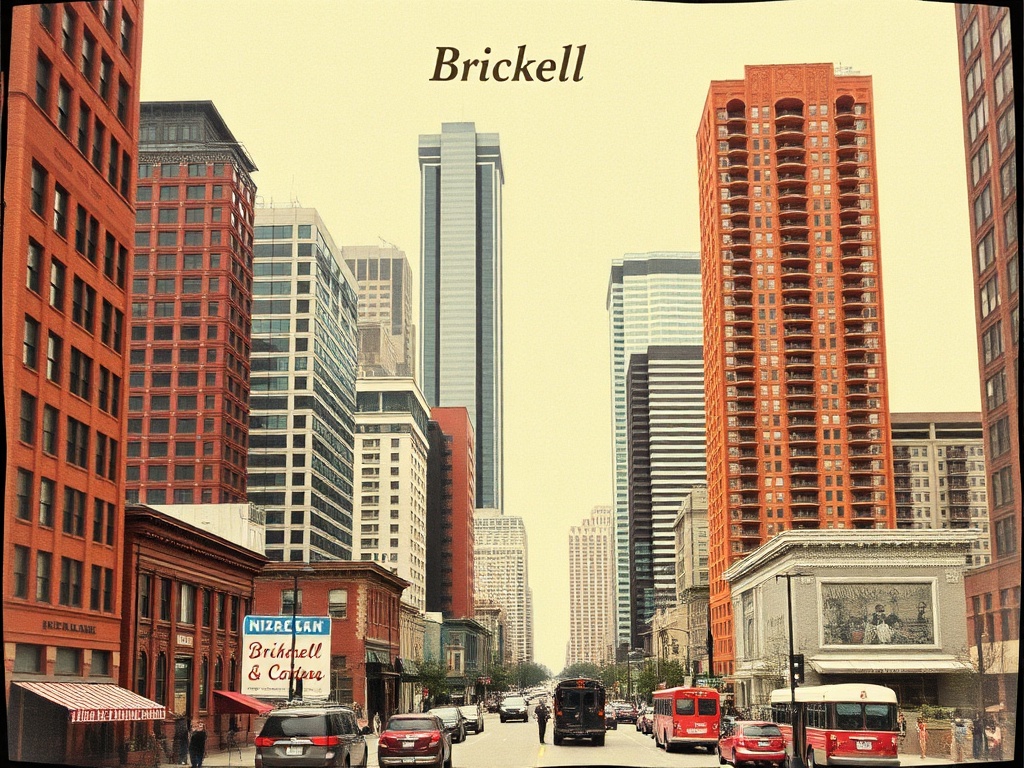
Brickell, Miami: From Financial District to a 24/7 Mixed-Use Neighborhood
Brickell’s Evolution: How Miami’s Financial District Became a 24/7 Neighborhood
Brickell started as a compact financial district and has steadily transformed into one of Miami’s most dynamic mixed-use neighborhoods.
Tall glass towers still define the skyline, but the feel on the ground is increasingly residential, walkable, and amenity-rich—making Brickell attractive to professionals, families, and visitors alike.
A changing real estate landscape
High-rise condos and luxury rentals dominate the market, but new inventory now includes more flexible living options and amenities that cater to a round-the-clock lifestyle: coworking lounges, rooftop pools, fitness centers, and concierge services.
Developers and owners emphasize resilient design and building systems that address coastal risks, while buyers and renters pay close attention to flood-mitigation features, HOA costs, and proximity to transit. For investors, Brickell’s mix of global finance tenants and lifestyle demand creates steady rental interest with potential for appreciation.
Transit and walkability
Connectivity is a major selling point.
Brickell’s elevated people-mover and heavy-rail links make commuting to downtown and other parts of the metro area straightforward, while a growing network of pedestrian improvements and bike lanes supports short trips by foot or scooter.
Micro-mobility options and shared-mobility hubs are common, helping residents dodge traffic during peak hours. For many, being able to run errands, catch a train, or walk to a waterfront restaurant without a car is a decisive factor.
Retail, dining, and nightlife
The neighborhood blends international banking culture with a lively hospitality scene. Upscale shopping centers, boutique stores, and an eclectic restaurant mix—from Latin American and Caribbean flavors to contemporary seafood and rooftop bars—keep Brickell buzzing after business hours. Nightlife options range from intimate wine bars and craft cocktail lounges to DJ-driven venues, attracting both locals and visitors seeking an urban evening out.
Work, tech, and co-living
While finance remains a core identity, Brickell is diversifying. Coworking operators and boutique office tenants have set up shop alongside traditional banks, and a growing number of startups and professional services appreciate the neighborhood’s connectivity and lifestyle perks. Some office spaces are being reimagined for mixed uses, reflecting a broader move toward flexible, hybrid work setups that value proximity to transit and neighborhood amenities.
Resilience and public space
As a waterfront district, Brickell faces unique infrastructure and environmental challenges.
Buildings and public agencies are investing in layered resilience—elevated utilities, improved stormwater systems, and green infrastructure—to protect both property and public realms. Efforts to extend and enhance pedestrian corridors and waterfront walkways are increasing access to the bay, creating more public space for recreation and events.
Tips for newcomers and visitors
– Favor properties near transit nodes to minimize reliance on cars.
– Check building resilience features and flood insurance requirements before committing.
– Explore weekday lunches for quieter dining options and evenings for a lively scene.
– Use micromobility and ride-hailing for short hops; parking can be scarce and costly.
– Walk the waterfront paths and visit mixed-use centers to get a feel for daily life.
Brickell’s identity now blends high finance with neighborhood comforts and cultural energy. Whether the goal is to live, work, or simply enjoy an evening out, the neighborhood offers an urban experience that balances skyline glamour with practical urban living.