
Miami Sea Level Rise: Neighborhood and Property Resilience Strategies
Miami’s relationship with water is changing, and that shift affects everything from daily commutes to property values and neighborhood design. As sea levels and coastal storms exert more pressure, the city and its neighborhoods are moving beyond reactionary fixes and toward coordinated resilience strategies that combine engineering, nature-based solutions, planning, and community action.
Why flooding is an urgent local issue
Coastal flooding in Miami arises from a mix of higher tides, storm surge, and rising groundwater. Low-lying streets and subsurface sea-level intrusion can leave infrastructure like roads, utilities, and septic systems vulnerable. Flooding also accelerates corrosion in pipes and foundations, increases mold risk inside buildings, and complicates insurance and mortgage decisions for homeowners and investors.
How Miami is adapting
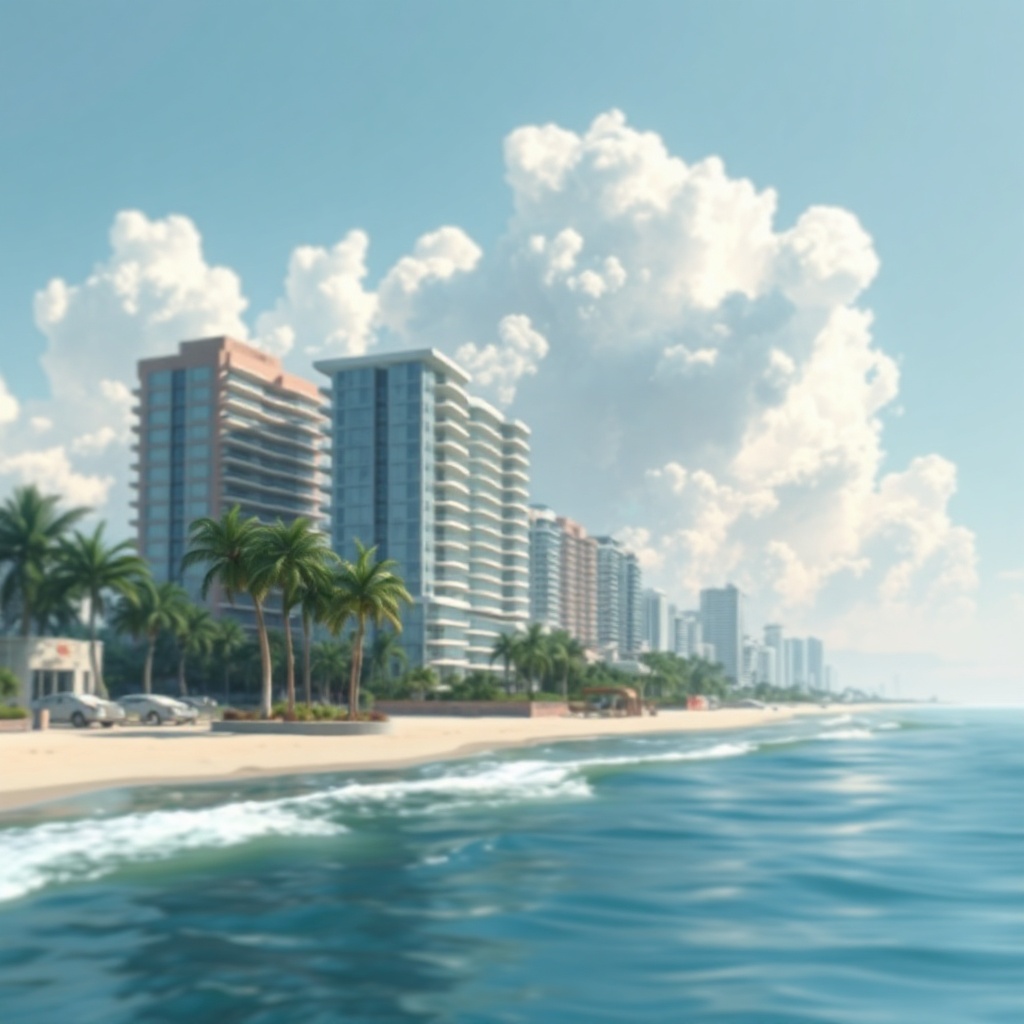
Adaptation is happening at multiple scales. Municipalities and utilities are deploying pumps, elevating key roadways, and hardening critical infrastructure to keep services running during high-water events. At the same time, developers and planners are integrating flood-resilient design—raising first floors, using flood-resistant materials, and redesigning ground-floor spaces to be sacrificial or easily repairable.
Nature-based approaches are increasingly popular. Restoring mangroves and wetlands buffers shorelines against storm surge while improving water quality and habitat. Green infrastructure—bioswales, permeable pavement, expanded tree canopy, and urban parks designed to absorb stormwater—reduces runoff and cools neighborhoods.
Policy and planning shifts also matter. Updated zoning, building codes, and floodplain maps influence where new construction can occur and how buildings must be designed. Public-private partnerships, resilience bonds, and targeted grant funding help pay for large-scale projects that protect transportation corridors and utilities.
What residents and property buyers should watch
– Flood maps and elevation certificates: Check the most recent floodplain information and obtain an elevation certificate for any property under consideration.
– Insurance and costs: Flood insurance premiums and coverage terms can change; factor potential increases and exclusion clauses into long-term affordability calculations.
– Property retrofits: Sump pumps, backflow preventers, raised electrical panels, and flood-resistant finishes are practical upgrades that reduce damage and downtime.
– Landscapes that drain: Permeable hardscaping, rain gardens, and native plantings help manage stormwater on-site and reduce neighborhood flooding.
– Community engagement: Neighborhood resilience plans, volunteer flood response teams, and local climate committees provide ways to influence priorities and access technical support.
Opportunities in the transition
The emphasis on resilience creates opportunities in construction, design, and nature restoration. Businesses that specialize in floodable landscaping, resilient retrofits, and microgrid technologies find growing demand. Neighborhoods that invest in thoughtful adaptation tend to maintain amenities and livability, making them more attractive to long-term residents.
Ongoing questions
Equitable adaptation remains central. Ensuring low-income and historically marginalized communities receive funding and technical support is critical to avoid displacement and unequal protection. Coordinated planning across jurisdictions and clear communication about risks and trade-offs help build trust and effective action.
Miami’s waterfront identity is a strength to preserve.
By combining engineering, ecological restoration, smart planning, and community-led solutions, the city can protect its character and economy while making neighborhoods safer and more sustainable for residents and visitors alike.