
Miami Guide: Best Neighborhoods, Eats, Beaches & Climate-Ready Living
Miami moves fast — a city where Latin rhythms, world-class art, and waterfront living collide. Whether you’re planning a visit, scouting neighborhoods, or watching how coastal cities adapt, Miami offers a mix of lifestyle, culture, and forward-looking infrastructure that keeps it in the spotlight.
Why Miami matters
Miami is a cultural gateway to Latin America and the Caribbean, reflected in its food, music, and festivals.
Neighborhoods like Little Havana and Wynwood showcase vibrant street life and art, while Brickell and Downtown serve as the financial and tech hubs. The mix of international business, tourism, and creative industries gives the city a dynamic economy and an always-evolving cultural calendar.
What to see and do
– Wynwood and the arts district: Walk the Wynwood Walls and surrounding galleries to see large-scale murals and rotating installations. The area is also full of trendy cafes and craft breweries.
– South Beach and the waterfront: Beyond the iconic Art Deco architecture and nightlife, the beach offers soft sand, people-watching, and watersports.
Early mornings are best for a quieter experience.
– Little Havana: Taste authentic Cuban coffee, enjoy live music at local spots, and visit Calle Ocho for vibrant street life and cultural events.
– Coconut Grove and Coral Gables: For a calmer pace, explore tree-lined streets, boutique shops, and historic architecture. These neighborhoods appeal to families and anyone seeking a slower rhythm.
– Museums and performance: The Pérez Art Museum and the next-level concert venues keep cultural offerings strong, and special exhibitions and festivals bring international attention on a regular basis.
Getting around
Miami’s public transit includes a downtown Metromover that’s free and a Metrorail system connecting key neighborhoods. Brightline provides comfortable rail service along the coast for regional travel. Rideshare is widely used, and biking is growing in popularity with expanding bike lanes. Traffic can be heavy during peak times, so plan accordingly.
Climate resilience and real estate
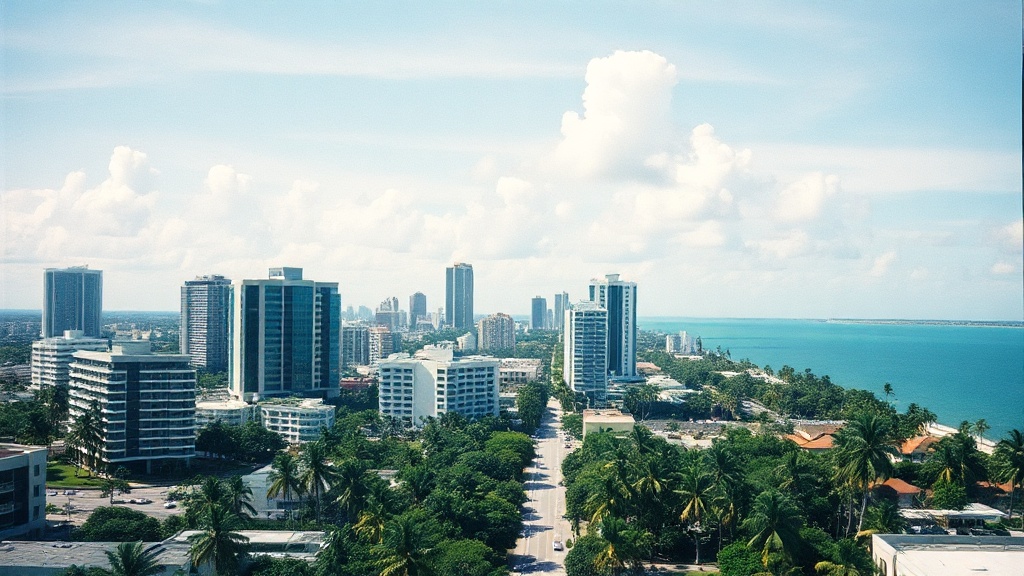
Miami is also at the forefront of climate adaptation. City and county initiatives focus on stormwater systems, elevated roadways, and new building standards that respond to flooding and sea-level concerns. These efforts shape development patterns, insurance considerations, and the market for waterfront properties. If you’re buying or investing, consult local experts who understand flood maps, building codes, and long-term resilience strategies.
Food, nightlife, and local tips
The culinary scene blends Latin American, Caribbean, and global influences — family-run restaurants sit alongside high-end dining rooms by acclaimed chefs. Happy hour is a popular ritual, and late-night dining is part of the culture. For visitors: pack sun protection, stay hydrated in humid weather, and reserve popular restaurants in advance.
Tipping around 15–20% is customary for service.
Business and innovation
A growing tech and startup community attracts entrepreneurs seeking access to Latin American markets and a lifestyle that balances work and leisure. Co-working spaces and incubators offer networking opportunities, while international flights make global business connections convenient.
Miami remains a city of contrasts: lively streets and tranquil waterfronts, historic neighborhoods and gleaming towers, cultural tradition and modern innovation.
Whether you’re visiting for its beaches and nightlife or evaluating long-term plans, Miami’s blend of resilience, creativity, and international flavor makes it endlessly compelling.