
Miami Travel Guide: Neighborhoods, Food & Climate Resilience
Miami is often pictured as sun-soaked beaches and neon nightlife, but the city’s appeal runs much deeper. A vibrant fusion of cultures, design-forward neighborhoods, and a growing focus on climate resilience make Miami a dynamic destination for visitors, entrepreneurs, and residents seeking a lively, progressive urban coast.
Neighborhoods that define Miami
– South Beach: Iconic art deco architecture, white sand beaches, and a nightlife scene that pulses late into the night. It’s where style-conscious travelers and beachgoers converge.
– Wynwood and the Design District: Colorful murals, independent galleries, and cutting-edge fashion boutiques make these districts a creative hub.
Street art tours and pop-up exhibitions keep the scene fresh.
– Little Havana: Calle Ocho offers a sensory immersion—Cuban coffee, live music, domino games, and authentic eateries celebrate Miami’s strong Latin heritage.
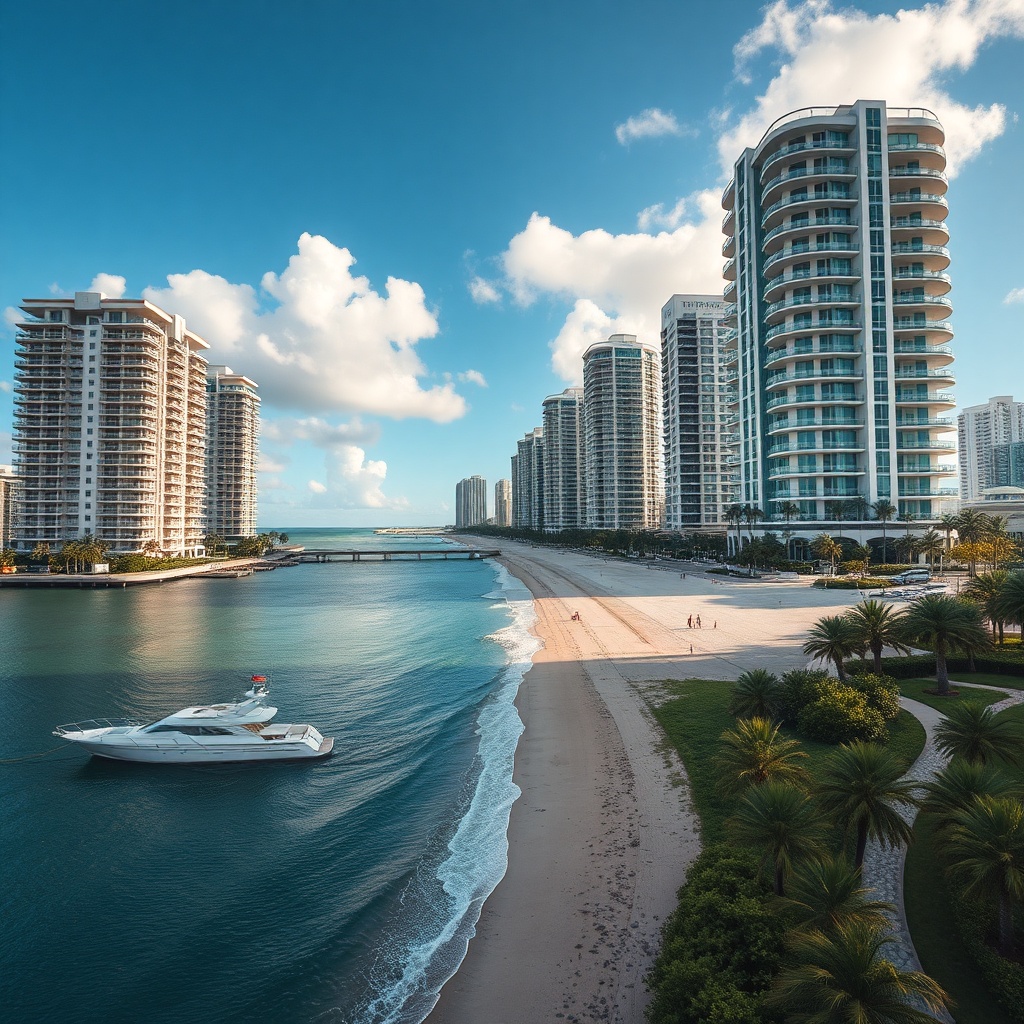
– Brickell and Downtown: The financial heart with high-rise condos, upscale dining, and a growing roster of cultural venues. Ideal for business visitors who want a walkable, amenity-rich stay.
Food and nightlife
Miami’s culinary scene is a melting pot. Cuban and Caribbean flavors dominate, but you’ll also find Peruvian ceviche bars, Haitian soul food, Venezuelan arepas, and contemporary American tasting menus. Farmers markets and waterfront dining add variety for every budget. After dark, rooftop bars, Latin clubs, and intimate jazz venues provide diverse nightlife options that reflect the city’s multicultural pulse.
Outdoor life and nearby escapes
Beyond the shoreline, Miami offers boating, paddleboarding, and sprawling green spaces. Biscayne National Park and access to the Everglades create easy day-trip options for wildlife watching, kayaking, and eco-tours.
City parks and beachfront promenades invite morning jogs and sunset strolls, reinforcing Miami’s reputation as an outdoor-friendly metropolis.
Climate resilience and urban design
Living by the coast means confronting environmental challenges, and Miami is actively adapting.
Investments in improved stormwater systems, elevated infrastructure, and green design aim to reduce flooding and enhance long-term livability. Public-private partnerships and grassroots initiatives promote native landscaping, seawall upgrades, and neighborhood-scale solutions that prioritize both safety and aesthetics. These efforts are reshaping how the city grows while preserving waterfront living.
Smart travel tips
– Pack for humidity: lightweight, breathable fabrics, and a reliable rain jacket for sudden showers.
– Beat the heat: morning and evening are best for outdoor activities; midday is ideal for museums, shops, or a leisurely meal.
– Local transit: Taxis, ride-shares, and an expanding rail network make it easy to navigate, but some neighborhoods are best explored on foot or by bike.
– Cultural etiquette: Embrace the multicultural vibe—knowing a few Spanish phrases enhances interactions and shows respect for local traditions.
Why Miami keeps drawing attention
The city blends sun, culture, and innovation in a way few places can match.
Creative neighborhoods continually reinvent themselves, culinary scenes evolve, and resilience-minded urban planning keeps Miami attractive to new residents and businesses.
Whether you’re visiting for the arts, the food, or the waterfront lifestyle, the city offers layered experiences that invite repeat trips and deeper exploration.
For planners, foodies, and sun-seekers alike, Miami remains a place of discovery—dynamic, diverse, and deeply connected to its coastal identity. Pack your sunscreen and an open mind, and you’ll find there’s always another corner of the city waiting to be explored.