
Miami Reinvented: A Visitor’s Guide to Neighborhoods, Food, Culture & Coastal Resilience
Miami keeps reinventing itself as a coastal city that blends vibrant culture, bold design, and a pragmatic approach to rising seas. That mix appeals to visitors and residents alike: sun-soaked beaches and nightlife meet a growing focus on resilience, public space, and culinary creativity.
A city shaped by water
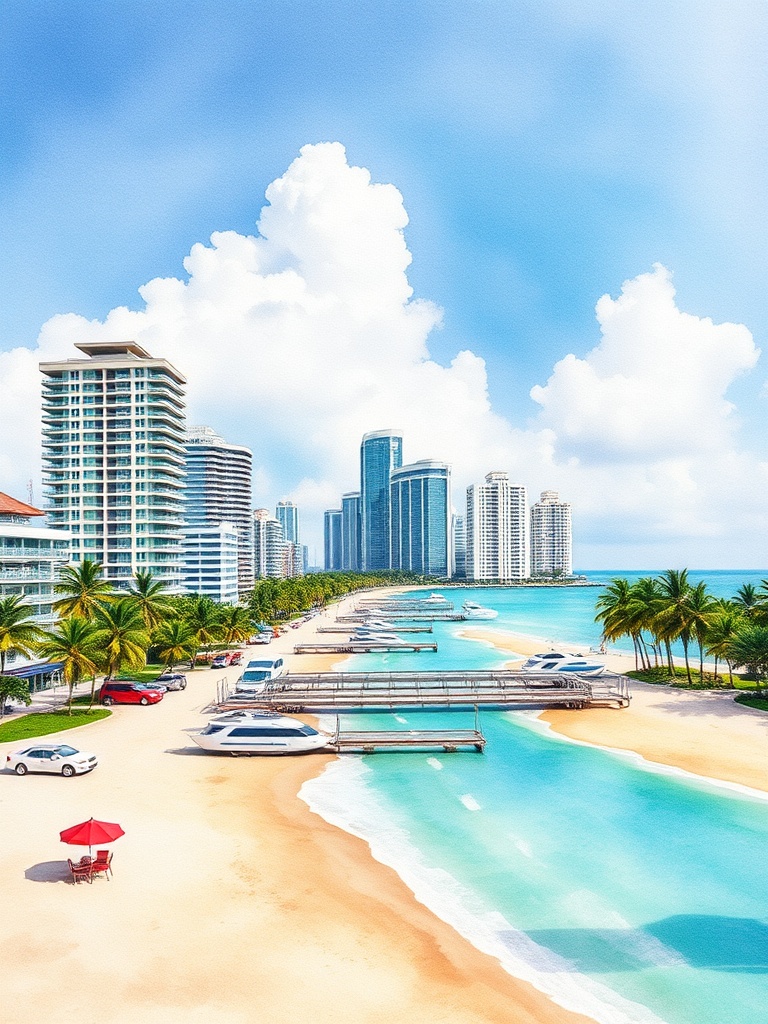
Water defines Miami’s identity — from Biscayne Bay to the Intracoastal Waterway and the Everglades beyond. That proximity brings lifestyle advantages and infrastructure challenges. Across neighborhoods, public agencies and private developers are investing in flood mitigation, green infrastructure, and elevated streetscapes to protect property and preserve access to waterfront amenities. Parks and boardwalk expansions are increasingly designed to absorb stormwater while offering recreational space, making resilience part of everyday urban life rather than a distant concept.
Neighborhoods worth exploring
Miami’s neighborhoods each offer distinct experiences. South Beach remains a magnet for beachfront leisure and Art Deco architecture. Wynwood has transformed from an industrial district into an open-air gallery with murals, craft breweries, and creative retail. Little Havana presents a concentrated taste of Cuban culture with live music, hand-rolled cigars, and family-owned eateries. Brickell serves as the financial heart with high-rise dining and rooftop bars, while Coconut Grove provides tree-lined streets and a bohemian vibe.
Cultural energy and creative commerce
The arts remain a major draw. Galleries, public installations, and diverse performance spaces sustain a year-round cultural calendar.
Local creative communities continue to spur boutique hotels, concept stores, and artisanal food scenes.
Expect to find pop-up exhibitions, collaborative studio spaces, and cultural festivals that spotlight both international artists and homegrown talent.
Getting around
Miami’s transit landscape is evolving. Light rail, bus rapid transit corridors, and bike-friendly infrastructure are expanding to reduce congestion and improve connectivity between major hubs. Rideshare and water taxis add flexibility for visitors, while walking and cycling are increasingly pleasant in revamped pedestrian corridors and waterfront promenades.
Food and drink
Miami’s culinary identity is a fusion of Latin American, Caribbean, and global influences. From upscale tasting menus to casual neighborhood joints, dining here prioritizes fresh seafood, tropical produce, and bold flavors. Food halls and markets are great for sampling diverse small plates, while coffee shops and late-night bakeries fuel the city’s energetic pace.
Outdoor recreation and natural escapes
Beyond urban life, access to nature remains a big appeal. Kayaking and paddleboarding in the bay, birdwatching on mangrove trails, and scenic drives into nearby natural preserves give residents and visitors ways to unwind and connect with South Florida ecosystems. Efforts to restore surrounding wetlands and protect native habitats help maintain those outdoor opportunities.
Tips for visiting or relocating
– Time beach outings for early morning or late afternoon to avoid peak heat and crowds.
– Explore neighborhoods on foot where possible to soak up street art and local flavor.
– Book popular restaurants and cultural events in advance, especially on holiday weekends.
– Check weather and transit updates before heading out; flexibility improves the experience.
Miami’s energy comes from its blend of sun, water, and culture coupled with a pragmatic push toward sustainability and resilience. Whether drawn by art and nightlife, waterfront living, or outdoor adventure, visitors and newcomers will find a city that celebrates diversity while planning for a livable future.