
How Miami Is Reinventing Waterfront Living: Coastal Resilience, Flood Protection & Buyer Tips
Miami’s shimmering skyline and palm-lined avenues are part of a coastal city actively redefining what waterfront living looks like. As tides rise and intense rain events become more frequent, Miami has moved from reactive repairs to an increasingly sophisticated mix of engineering, nature-based design, policy changes, and community action. The result is a living example of how a major metropolitan area can pursue resilience without sacrificing its unique culture and economy.
What resilience looks like
– Engineered defenses: Pump stations, raised roads, and flood walls are common across low-lying neighborhoods and barrier islands.
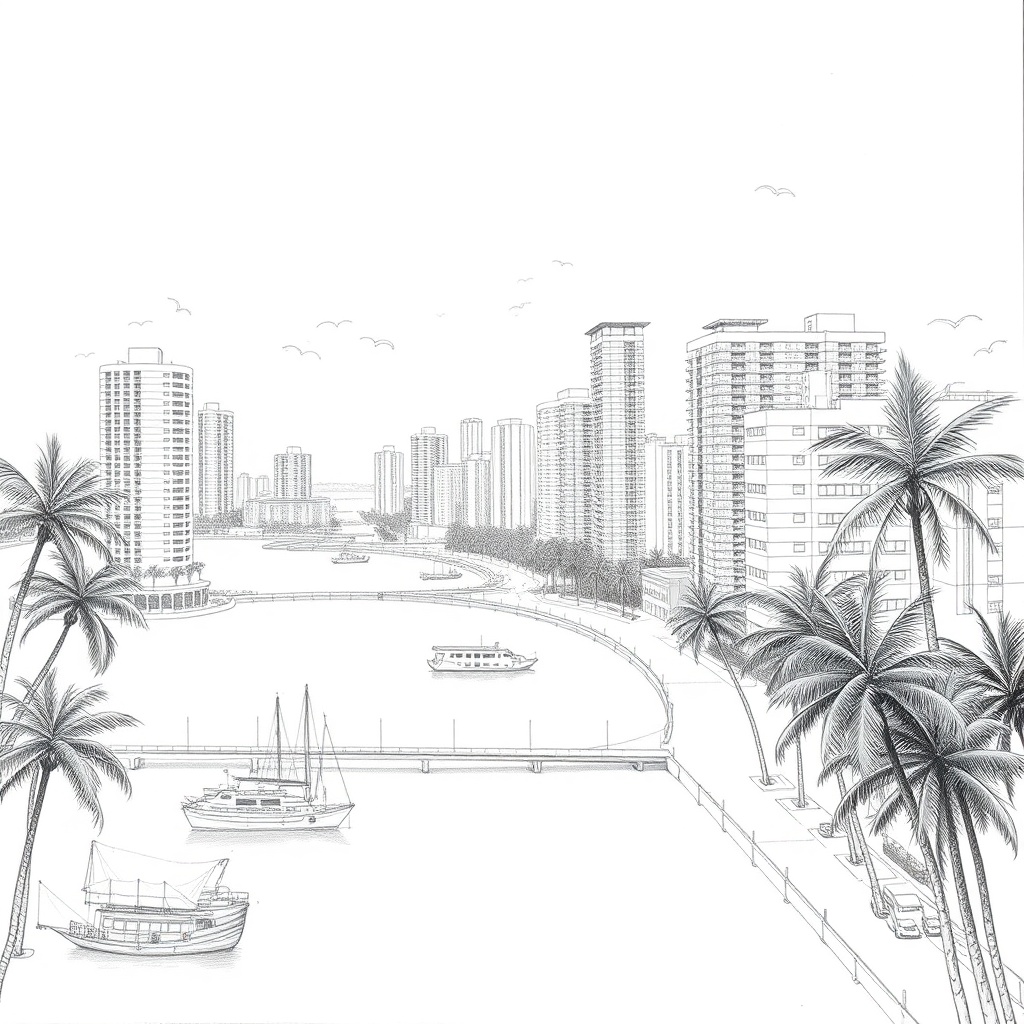
These hard infrastructure projects reduce nuisance flooding, protect transit corridors, and keep key economic areas operational during high-tide events.
– Green infrastructure: Bioswales, rain gardens, permeable pavement, and restored mangroves are being installed to absorb stormwater, slow runoff, and rebuild natural coastal buffers. Mangrove restoration is especially effective at dissipating wave energy and improving biodiversity.
– Building-level adaptation: New construction and major renovations increasingly use flood-resistant materials, raised mechanical systems, and higher first-floor elevations. Design guidelines and permitting processes encourage or require “freeboard” measures that put living spaces above predicted flood levels.
– Utilities and energy resiliency: Microgrids, elevated electrical equipment, and hardening of water and wastewater systems help communities maintain services during and after storms.
Backup power for critical infrastructure reduces cascading failures.
Policy and finance that enable change
Public-private partnerships, resilience bonds, and federal funding streams help scale projects across neighborhoods.
Municipal codes and zoning updates incentivize green roofs, higher elevations, and permeable surfaces.
Neighborhoods also form local resilience committees that prioritize investments and coordinate with city planners.
What residents and buyers should know
– Elevation matters: Check finished-floor elevations and flood risk maps before buying or renovating. Elevated homes and properties with high-quality drainage systems typically weather nuisance flooding better and can command stronger long-term value.
– Insurance landscape: Flood insurance availability and premiums are changing as insurers and regulators respond to risk.
Explore mitigation discounts, such as elevating utilities or installing flood vents, to potentially reduce costs.
– Simple mitigation steps: Installing backflow preventers, elevating HVAC and electrical panels, sealing foundation penetrations, and creating permeable landscaping can limit damage in common flood events.
– Community preparedness: Local emergency plans, neighborhood pumps and sandbag stations, and evacuation routes matter. Staying engaged with community resilience groups helps residents advocate for needed projects.
Why the approach matters for visitors and businesses
Tourism and commerce rely on reliable transportation, clean beaches, and vibrant public spaces.
Investments in downtown drainage, coastal parks, and resilient transit keep visitors and workers moving even during disruptive weather.
Businesses that adopt continuity planning and resilient operations avoid prolonged closures and help maintain the local economy.
Opportunities ahead
The city’s resilience trajectory is a test case for other coastal metros: integrating natural systems with engineered solutions, aligning funding with high-impact projects, and building social cohesion around adaptation decisions.
Continued progress will depend on flexible planning, transparent risk communication, and investments that prioritize both equity and long-term protection.
Whether living, working, or visiting, understanding Miami’s resilience strategies helps people make smarter choices—protecting property, supporting healthy ecosystems, and keeping the city’s vibrant coastal lifestyle thriving for years to come.