
Miami Neighborhoods Guide: How to Choose the Best Area for Your Lifestyle
Miami is a city of neighborhoods, each with its own personality, lifestyle, and practical trade-offs.
Whether you’re searching for beachfront nightlife, island tranquility, artistic energy, or family-friendly streets, understanding the local districts helps you choose the right base for living, working, and playing.
Why neighborhood choice matters
Miami’s urban fabric varies block by block. Commute times, housing types, school options, and exposure to coastal weather all depend on location. Prioritize what matters most—walkability, nightlife, green space, or proximity to the airport—and you’ll narrow the field quickly.
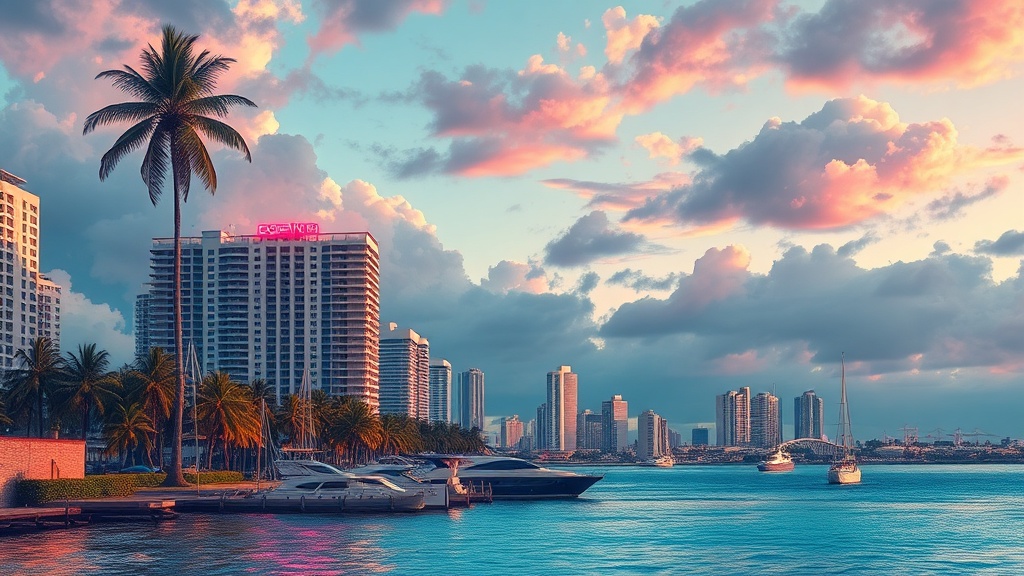
Neighborhood highlights
– South Beach (Miami Beach)
The iconic beachfront district offers vibrant nightlife, historic Art Deco architecture, and easy access to sand and water.
Best for social life and tourism-driven amenities. Expect lively streets, tourist crowds, and a mix of condos and boutique hotels.
– Brickell
Miami’s finance hub doubles as a dense residential area with high-rise condos, rooftop bars, and convenient transit connections. Ideal for professionals who want a short commute to downtown offices and every urban amenity at walking distance.
– Wynwood and the Design District
Renowned for murals, galleries, and creative studios, this area draws artists, entrepreneurs, and visitors seeking cultural experiences.
Dining and retail have expanded, making it great for daytime exploration and evening outings.
– Coral Gables
Tree-lined avenues, Mediterranean revival architecture, and a quieter residential feel define this area. Known for top-rated schools, well-kept public spaces, and upscale shopping corridors—a top pick for families and those seeking a suburban vibe within the city.
– Coconut Grove
Bohemian charm meets marina views in this leafy neighborhood. Outdoor cafes, parks, and a slower pace attract families, creatives, and anyone wanting a walkable, relaxed atmosphere with easy access to water activities.
– Little Havana
Rich cultural heritage, vibrant street life, and authentic dining make this neighborhood a cultural anchor. It’s an affordable and historically important area, though it’s also evolving as development continues.
– Edgewater and Midtown
These areas provide river and bay views, newer residential developments, and easy access to Wynwood and downtown.
They blend convenience with relatively modern housing options.
– Key Biscayne
An island retreat just off the coast, offering beaches, parks, and a quieter residential community. Popular with families and outdoor enthusiasts seeking a seaside escape without long drives.
Practical considerations before moving
– Housing type: Condos dominate the downtown and beach areas; single-family homes are more common in suburban-style neighborhoods.
– Flood risk and insurance: Many coastal and low-lying zones require flood-conscious planning.
Check FEMA flood maps and local elevation data, and factor in insurance costs.
– Transportation: Miami has growing transit options—trains, trolleys, and commuter rail plus car-sharing and scooters—but many residents still rely on cars. Consider proximity to major corridors and parking availability.
– Lifestyle costs: Expect variation by neighborhood for groceries, dining, and property costs. Walkability and local amenities can offset commuting expenses.
Tips for exploring neighborhoods
Spend time at different hours—weekday mornings, weekend afternoons, and nights—to get a realistic feel. Sample local coffee shops, parks, and transit routes. Talk to residents and local businesses to learn about day-to-day life and upcoming development that might affect the neighborhood’s character.
Finding the right place in Miami means balancing lifestyle goals with practical factors like commute, schools, and weather resilience.
With targeted exploration and a clear set of priorities, you can find a neighborhood that fits both your daily routine and your idea of living well in a dynamic coastal city.