
How Miami Is Adapting to Rising Water: Practical Steps Every Resident Should Know
How Miami Is Adapting to Rising Water: Practical Steps and What Residents Should Know
Miami’s tropical vibe and oceanfront lifestyle come with a persistent challenge: water.
Whether you walk the causeways, drive through Brickell, or enjoy the beaches, the city’s relationship with tides, storms, and groundwater shapes daily life. Today, Miami is taking a multi-layered approach to adapt—blending engineering, nature-based solutions, policy shifts, and community action.
What’s changing in the built environment
Cities around Miami are investing in infrastructure that works with water instead of trying to ignore it. Expect to see elevated roads and redesigned curbs that channel stormwater away from buildings, along with larger drainage pipes and pump stations that increase capacity during heavy tides and storms. Developers are increasingly raising finished floor elevations and using flood-resistant materials in parking garages and ground-level spaces.
Green infrastructure complements hard engineering. Bioswales, permeable pavement, expanded parkland, and restored mangroves help absorb and slow runoff while improving urban cooling.
These nature-based measures reduce strain on drainage systems and provide added benefits like wildlife habitat and recreational space.
Policy and planning shifts
Municipalities are updating building codes and zoning to account for flood risk and future water levels.
That affects new construction, major renovations, and coastal setbacks. Public-private partnerships are helping fund large-scale projects while local governments focus on equitable solutions—prioritizing vulnerable neighborhoods for resilience upgrades and ensuring access to grants and technical assistance.
The Everglades and regional restoration efforts matter too. Restoring natural water flow and wetlands inland reduces pressure on coastal areas during storms and high tides, creating long-term protective benefits.
What residents and property owners can do
– Know your flood risk: Consult local flood maps and tide forecasts before buying or renting. Even inland properties can flood due to high groundwater or overwhelmed drainage systems.
– Use flood-resilient materials: For renovations, choose water-resistant flooring, elevated electrical systems, and sealed walls for lower levels.
– Elevate mechanical systems: Place HVAC units, water heaters, and electrical panels above likely flood levels to minimize damage and downtime.
– Maintain landscaping for drainage: Native plants, rain gardens, and proper grading help manage runoff on your property.
– Stay prepared: Keep a basic emergency kit, know evacuation routes, and subscribe to local alert systems for storm and flood warnings.
Tips for visitors
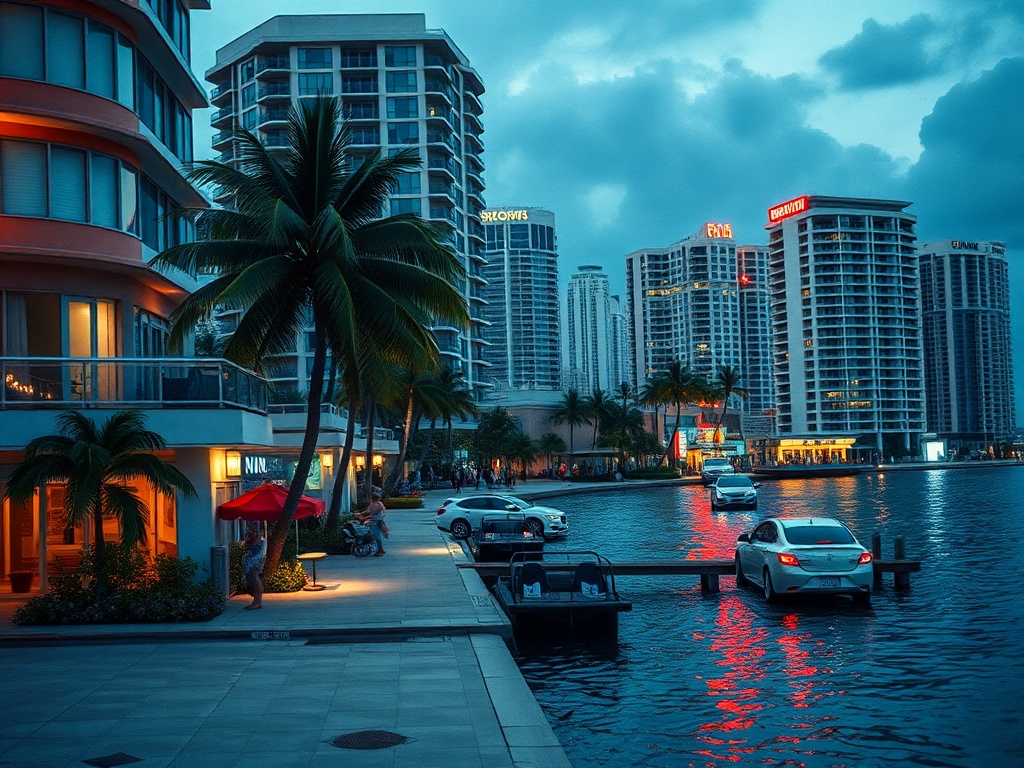
Plan stays in neighborhoods on slightly higher ground if you want extra assurance during king tides or stormy weather.
Confirm hotel policies for storm-related changes, and be flexible with plans during extreme weather forecasts.
Economic and social considerations
Adaptation affects real estate, insurance, and everyday costs. Some neighborhoods are seeing proactive investments that enhance long-term value, while others face affordability pressures tied to mitigation expenses. Community engagement is crucial—resilience policies work best when residents, businesses, and local leaders collaborate on solutions that protect people and preserve the city’s character.
Why this matters
Miami’s approach is not just about flood control; it’s about sustaining the lifestyle, economy, and ecosystems that define the region. By combining infrastructure upgrades, natural restoration, stronger building practices, and informed communities, the city is building a more resilient future that keeps waterfront living viable for residents and visitors alike.
For the most reliable guidance, check local government resources, flood forecasts from national tide services, and trusted community organizations that offer resilience workshops and assistance programs.