
Miami Guide: Beaches, Neighborhoods, Food, Real Estate & Climate Resilience
Miami is a city of contrasts: sun-drenched beaches and high-rise skylines, a thriving cultural scene and a serious focus on climate resilience. Whether you’re planning a visit, considering a move, or keeping an eye on urban trends, understanding what makes Miami tick helps you enjoy more and prepare smarter.
Why Miami draws attention
Miami’s appeal is obvious: vibrant neighborhoods, world-class dining, and a year-round outdoor lifestyle. Beaches like South Beach remain iconic, while neighborhoods such as Wynwood, the Design District, Little Havana, Brickell, and Coconut Grove each offer distinct personalities — from street art and galleries to upscale shopping, lively restaurants, and historic cultural hubs.
Culture, art and culinary highlights
The city’s arts scene is a major draw.
Street murals and contemporary galleries in Wynwood contrast with museum-focused offerings downtown and close to the waterfront. Live music, Cuban cultural festivals, and pop-up events keep the calendar lively.
Food lovers will find everything from casual Cuban cafes to seafood-focused waterfront restaurants and Michelin-starred tasting menus — a true melting pot of Latin, Caribbean, European, and international flavors.
Real estate and lifestyle considerations
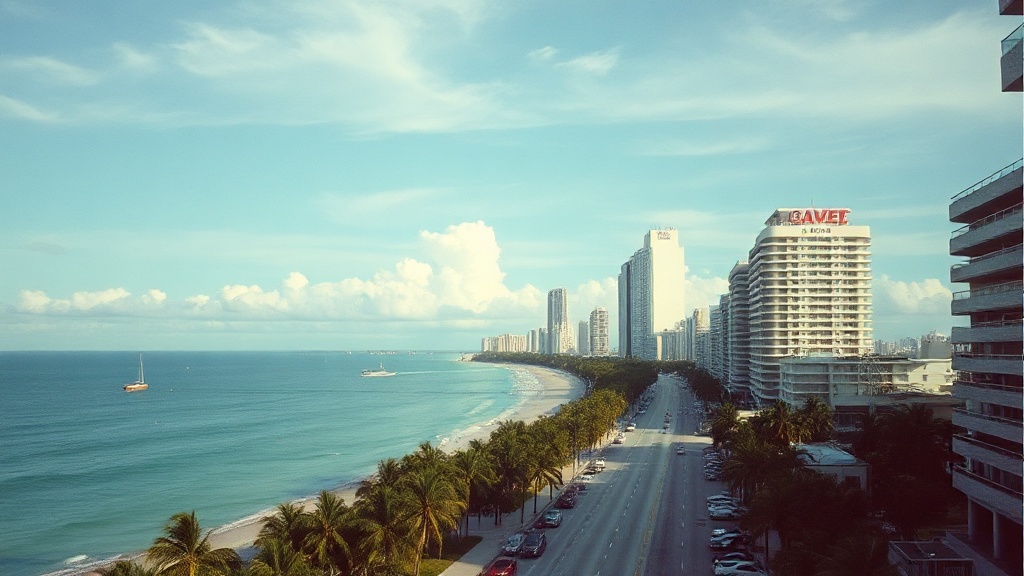
Miami’s real estate market is dynamic. Condominiums and luxury towers dominate the skyline, while single-family neighborhoods offer tree-lined streets and quieter residential life.
Buyers and renters increasingly look for properties with thoughtful flood mitigation — higher elevations, elevated first floors, water-resistant finishes, and backup generators are common priorities. Flood insurance and local building codes shape purchasing decisions, and many residents choose neighborhoods with strong infrastructure investments.
Climate resilience and urban planning
Coastal cities everywhere face climate-related challenges, and Miami is no exception. The city has been focusing on resilience measures such as improved stormwater systems, raised roads and seawalls, and updated building standards. Public-private partnerships and community-led initiatives are also shaping green infrastructure projects, mangrove restoration, and neighborhood-level adaptation strategies. For residents and investors, staying informed about municipal plans and insurance implications is essential.
Getting around
Miami’s transit mix includes an elevated people-mover in downtown, local buses, commuter rail connecting to nearby cities, and growing bike- and scooter-share networks. Traffic can be heavy during peak hours, so many locals combine transit with walking, cycling, or car-sharing depending on neighborhood. Waterfront ferry options and easy access to boating make water travel a popular alternative for leisure and commuting in some corridors.
Tips for visitors and new residents
– Pack for humidity: lightweight, breathable fabrics work best for long days outdoors.
– Plan outdoor activities for mornings or evenings to avoid the hottest parts of the day.
– Explore neighborhoods on foot or by bike to discover local cafes, murals, and parks.
– If buying or renting, ask about flood elevation, recent mitigation upgrades, and insurance requirements.
– Check local event calendars for food festivals, art walks, and community markets — they’re a great way to experience local culture.
Why Miami matters
Miami blends international flair with strong local identity. Its economy benefits from finance, trade, tourism, and a growing tech and creative sector. At the same time, proactive approaches to resilience and smart urban planning are shaping a future where the city retains its coastal character and continues to attract people who value culture, sun, and an active lifestyle.
For anyone engaging with Miami — visitor, buyer, or longtime resident — the city rewards curiosity: explore its neighborhoods, taste its food scene, and pay attention to how local communities and planners are adapting to preserve the places that make Miami unique.