
Miami 2026: Top Neighborhoods, Real Estate Trends, Climate Resilience & Outdoor Lifestyle
Miami blends sun-soaked beaches, vibrant neighborhoods, and an evolving urban pulse that makes it one of the most dynamic cities in the region. Whether you’re planning a visit, considering a move, or simply following trends, key themes shape the city’s appeal: culture, climate resilience, real estate change, and outdoor lifestyle.
Culture and neighborhoods
Miami’s cultural scene is a mosaic of Latin American, Caribbean, and global influences. Little Havana offers music, Cuban coffee, and vibrant street life along Calle Ocho. The Design District and Wynwood showcase contemporary art, high-end galleries, and large-scale murals that draw creatives and collectors alike. For nightlife and iconic oceanfront energy, South Beach remains a magnet, while Brickell and Downtown serve as the financial core with a growing roster of restaurants and rooftop bars.
Top neighborhoods at a glance:
– South Beach: beaches, nightlife, and Art Deco architecture
– Wynwood: street art, galleries, and creative retail
– Little Havana: cultural immersion, food, and festivals
– Brickell: high-rise living, finance, and dining
– Coconut Grove: leafy parks, marinas, and a relaxed vibe
Climate resilience and infrastructure
Miami’s coastal location means adaptation is a major focus. The city has been advancing flood mitigation measures—such as improved drainage systems, elevated roads in vulnerable corridors, seawall upgrades, and resilient building designs—to prepare for high tides and storm surge. Homebuyers and renters should evaluate flood maps, building elevation, and local resilience projects when assessing properties. Flood insurance and awareness of community infrastructure upgrades are practical considerations for anyone living in or moving to Miami.
Real estate and urban change
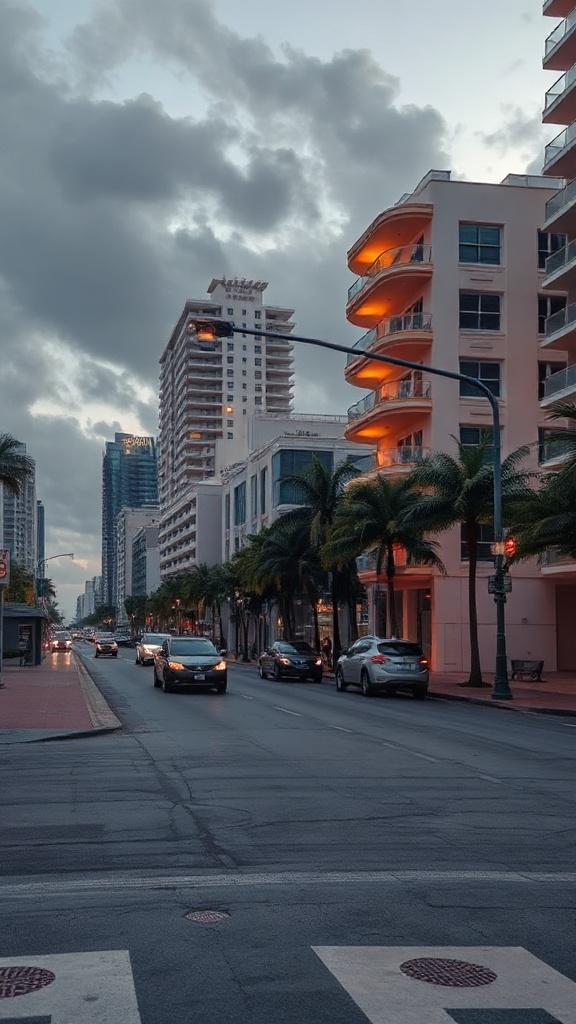
Market dynamics in Miami are shaped by remote work flexibility, lifestyle migration, and ongoing investment in entertainment, hospitality, and tech. Developers are converting older office stock into mixed-use and residential space, while boutique hotels and experiential retail continue to evolve neighborhood character. Expect a mix of ultra-luxury towers, renovated Art Deco buildings, and walkable mixed-use developments near transit hubs.
Outdoor lifestyle and recreation
Miami is an outdoor city. Biscayne Bay and the Atlantic provide opportunities for boating, paddleboarding, kiteboarding, and fishing.
Nearby natural escapes like the coastal wetlands and protected parks offer birdwatching, kayaking, and trails that contrast the urban skyline. Beaches are lively during the day and soft-lit at night, with public parks and boardwalks inviting year-round activity.
Getting around
Transportation options include metro rail, bus networks, and commuter rail that connect to nearby cities. Ride-share, bike lanes, and electric scooters supplement first- and last-mile travel. For regional trips, intercity rail and short flights make weekend escapes convenient.
Tips for visitors and new residents
– Pack sunscreen and light, breathable clothing; afternoon rain showers are common.
– Check local tide and flood advisories if planning waterfront activities or exploring low-lying areas.
– Explore neighborhoods at different times—daytime vibes can be very different from evening energy.
– Consider proximity to transit and resilience investments when choosing a place to live.
Miami’s combination of cultural richness, persistent innovation, and coastal lifestyle keeps it fresh and appealing. Whether drawn by art, food, offshore recreation, or investment potential, the city offers a mix of experiences that reward exploration and careful planning.