
Beyond Beaches: Exploring Miami’s Neighborhoods, Food, Art & Climate Resilience
Miami is more than beaches and nightlife — it’s a layered city where culture, design, cuisine, and resilience shape a distinctly modern urban experience. Whether you’re planning a visit or exploring local life, understanding Miami’s neighborhoods, food scene, outdoor options, and climate-forward infrastructure gives a fuller picture of what makes the city vibrant and adaptable.
Neighborhoods with personality
From art-filled districts to financial corridors, Miami’s neighborhoods each offer a different vibe. A former warehouse district turned street-art destination draws galleries, murals, and independent boutiques. The downtown financial area pulses with high-rises, rooftop bars, and business-oriented dining. Historic cultural neighborhoods preserve immigrant heritage through music, festivals, and family-run eateries. And the coastal communities combine luxury living with walkable beach access and lively boardwalks. Exploring by foot, bike, or a short rideshare trip is an easy way to sample several neighborhoods in a single day.
A food scene that keeps evolving
Miami’s culinary landscape is a fusion of Latin American, Caribbean, and global influences, with plenty of inventive newcomers alongside long-standing local institutions. Classic spots serve bold Cuban, Haitian, and Colombian flavors, while chefs are blending seafood, tropical produce, and international techniques into creative tasting menus and casual concepts.
Food halls and farmers markets are great for sampling multiple vendors at once, and late-night dining options mean you can chase live music with a plate of ceviche or a Cuban sandwich.
Arts, design, and public creativity
Public art and design are central to Miami’s identity.
Large-scale murals, pop-up galleries, and museum-quality installations coexist with design districts boasting showrooms and curated retail. Outdoor public spaces frequently host cultural programming — from film nights and art walks to open-air performances — making art accessible to residents and visitors alike.
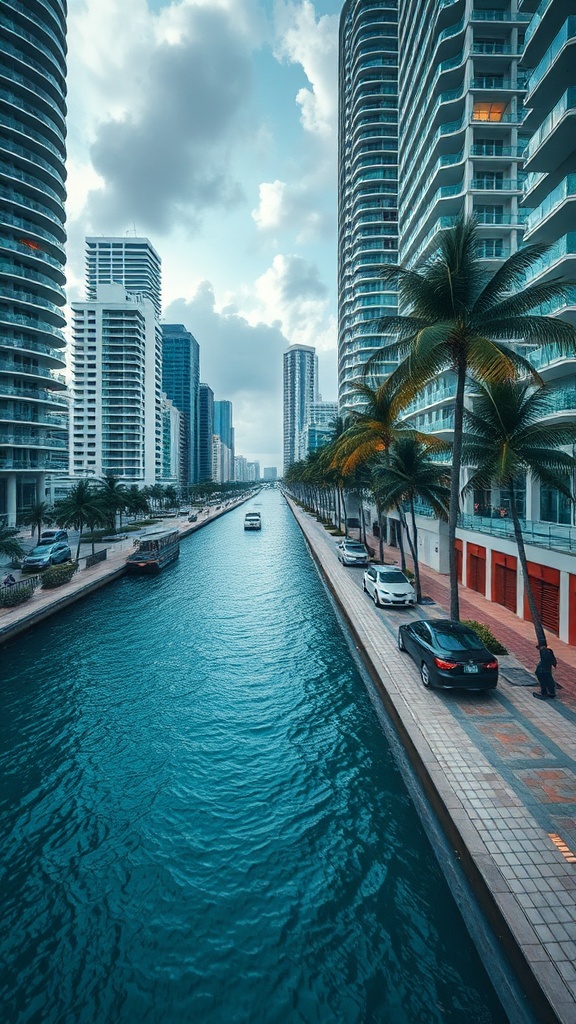
Architecture ranges from preserved historic homes to striking contemporary towers, reflecting both the city’s heritage and its appetite for innovation.
Outdoor life and water access
Water defines much of Miami’s recreational life.
Miles of beaches invite sunbathing and swimming, while Biscayne Bay and nearby waterways are prime for boating, paddleboarding, and fishing.
Parks and greenways offer shaded trails and family-friendly amenities, and nearby natural areas provide a reminder of the subtropical ecosystem that surrounds the metro area.
For active visitors, guided eco-tours and kayaking trips are accessible ways to encounter local wildlife and learn about coastal habitats.
Facing climate challenges with action
Miami’s approach to sea-level rise and extreme weather is shaping how the city builds and operates.
Investments in pumping systems, elevated roadways, coastal restoration, and green infrastructure are paired with updated building practices and community planning. Neighborhood-level initiatives often emphasize nature-based solutions — like living shorelines and urban tree canopies — that improve resilience while enhancing public space.
Getting around
Public transit, ride services, bike lanes, and pedestrian-friendly corridors make short trips manageable, though navigating rush periods can still require planning. Newer transit options and expanded connectivity between neighborhoods and nearby cities have made multi-destination trips easier for commuters and visitors alike.
Why Miami remains compelling
Miami’s appeal goes beyond warm weather and beaches. It’s a crossroads of cultures, a laboratory for design and resilience, and a culinary hotspot that continues to reinvent itself.
For travelers seeking beaches and nightlife, creatives drawn to art and design, or residents invested in an evolving urban ecosystem, Miami offers a mix of excitement and grounded community life worth exploring.
Plan time to stroll different neighborhoods, sample diverse foods, and book at least one outdoor or eco-focused activity to get a well-rounded sense of the city’s energy and direction.