
Brickell, Miami: The Ultimate Neighborhood Guide to Living, Dining, Transit & Real Estate
Brickell has evolved into one of Miami’s most dynamic neighborhoods, blending a high-powered financial district with a lively residential scene. Once known mainly for banks and office towers, Brickell now balances luxury condos and boutique hotels with a growing roster of restaurants, green spaces, and transit improvements that make it both a place to work and a place to live.
A compact urban core
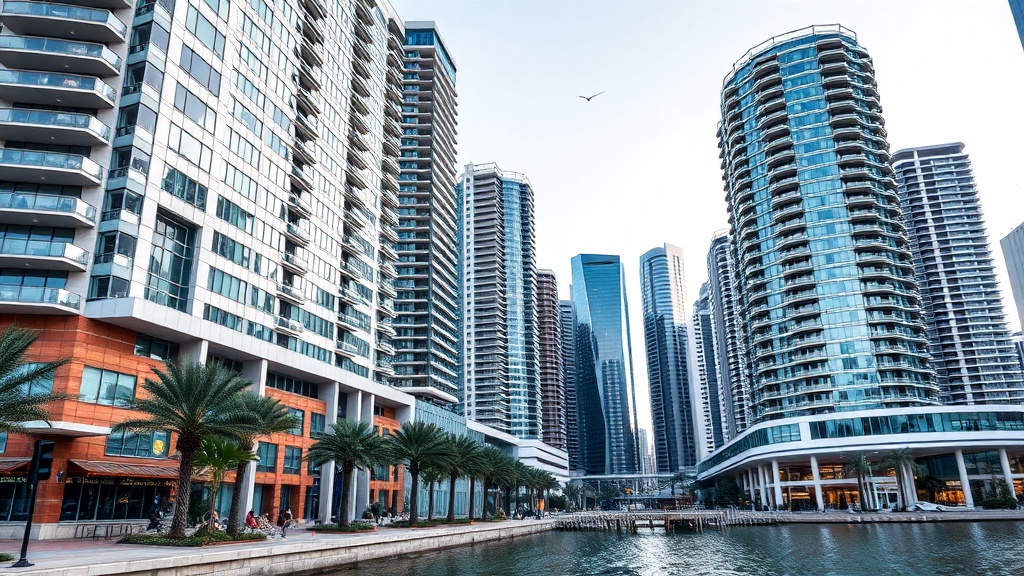
Brickell’s skyline is dense and walkable, anchored by Brickell City Centre, a flagship mixed-use development offering shopping, dining, and entertainment under one climate-controlled complex.
Mary Brickell Village remains a local hangout for dining and nightlife, while Brickell Key provides a quieter, waterfront contrast with scenic promenades and resort-style living. The neighborhood’s compact footprint makes it easy to move between work, weekend plans, and waterfront relaxation on foot or by bike.
Dining, nightlife, and culture
The culinary scene in Brickell reflects Miami’s multicultural identity. Upscale tasting menus sit alongside casual Cuban spots, Peruvian cevicherias, and inventive Latin-fusion kitchens. Rooftop bars and lounges offer skyline views and craft cocktails, attracting both residents and visitors. For cultural outings, nearby performing arts venues and galleries add variety to the district’s primarily urban entertainment options.
Transit and connectivity
Brickell benefits from multiple transit choices that reduce dependence on cars. The Metrorail and Metromover systems provide quick links to downtown and other neighborhoods, while rideshare and bike-share services fill in first- and last-mile gaps.
Recent investments in pedestrian infrastructure and bike lanes have made commuting more pleasant, and the Underline — a linear park and urban trail beneath the elevated Metrorail — has become a popular green corridor connecting Brickell to adjacent neighborhoods.
Real estate and lifestyle trends
Residential towers continue to target a mix of empty-nesters, young professionals, and international buyers. Developers emphasize amenities such as concierge services, wellness centers, co-working spaces, and outdoor terraces. For those seeking a more tranquil option, Brickell Key and select low-rise pockets offer quieter, waterfront living without sacrificing proximity to the financial district. Rental demand remains strong thanks to the area’s job base and entertainment options, but buyers should weigh HOA fees, parking availability, and local flood mitigation measures when evaluating properties.
Resilience and infrastructure
As a coastal urban center, Brickell faces weather and water-management challenges. Public and private stakeholders have pursued a range of resilience measures, from street-level elevation projects and stormwater upgrades to green infrastructure and seawall improvements. New developments increasingly incorporate elevated entryways, flood-resistant materials, and backup systems to address the neighborhood’s unique climate considerations.
Tips for visitors and new residents
– Plan for afternoon showers — bring a light rain jacket and have flexible outdoor plans.
– Use public transit for events and evenings to avoid limited parking and busy streets.
– Explore early-morning or late-evening waterfront walks on Brickell Key and along the Miami River for cooler temperatures and quieter views.
– Sample neighborhood staples alongside chef-driven newcomers to get a true sense of the area’s culinary breadth.
A neighborhood of contrasts
Brickell’s appeal lies in its contrasts: glass-and-steel towers beside pocket parks, high-end cocktail lounges near casual cafes, and a global finance hub that’s increasingly residential and lifestyle-focused.
Whether drawn by career opportunities, dining, or a desire for a highly walkable urban life with waterfront access, Brickell continues to attract people who want a vibrant, connected slice of Miami living.