
How Miami Balances Climate Resilience, Creative Culture, and Smart Growth — A Guide for Visitors and Homebuyers
Miami is evolving fast — not just as a global destination for sun and nightlife, but as a testing ground for urban resilience, creative culture, and smart growth.
Whether you’re planning a visit, eyeing real estate, or simply curious about city trends, understanding how Miami balances growth with environmental challenges offers a useful lens on modern coastal living.
Climate resilience shaping the cityscape
Facing regular tidal flooding and intense storms, Miami has become a leader in adaptive urban design. City planners, developers, and community groups are investing in a mix of hard and soft solutions: raised roads and buildings, expanded stormwater pumps, permeable pavements, and large-scale mangrove and wetland restoration. These measures reduce flood risk while enhancing coastal ecosystems and public green space.
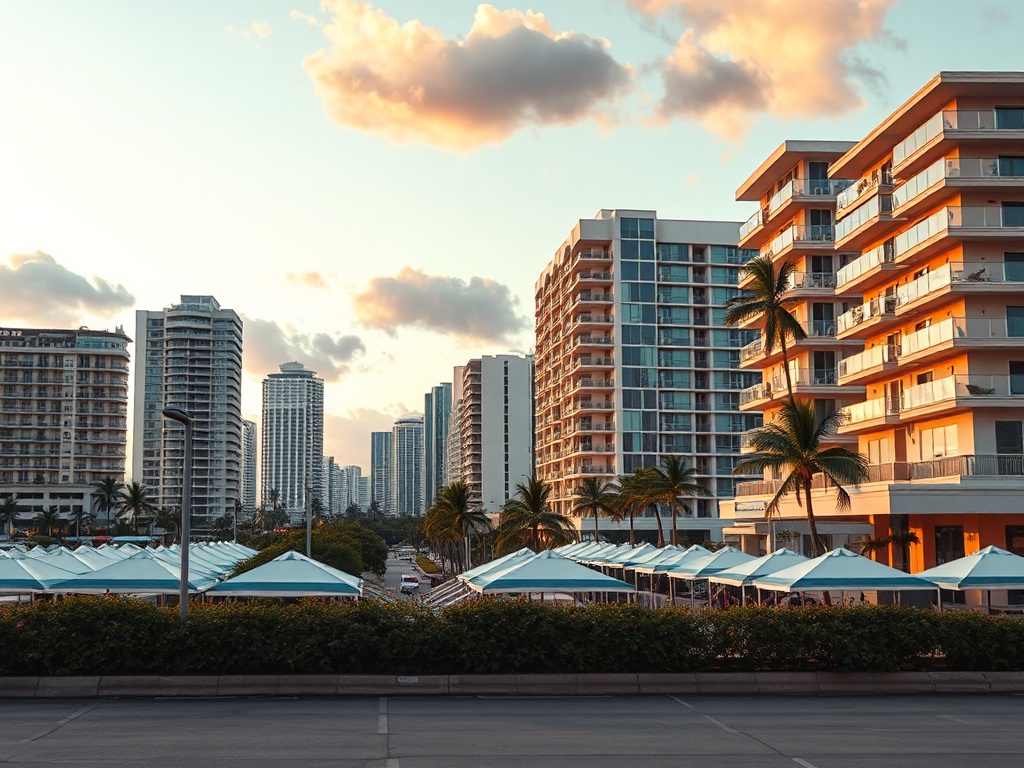
Public infrastructure projects often pair engineering with nature-based approaches. Restored wetlands and urban tree canopies slow runoff and cool heat islands, while new parks and waterfront promenades double as flood buffers and recreation areas. For property owners, floodproofing, elevated construction and thoughtful landscaping are increasingly important considerations.
Creative neighborhoods and cultural vitality
Miami’s neighborhoods continue to define its global appeal.
Art hubs and walkable districts draw locals and visitors alike.
Streets lined with murals, galleries showcasing contemporary work, and a thriving independent theater and music scene make cultural exploration easy and rewarding. Neighborhood cafés, markets, and family-run restaurants add authentic flavor beyond the headline attractions.
Food and nightlife remain core draws.
Miami’s culinary scene mixes coastal seafood, Latin American influences, and innovative farm-to-table kitchens. New micro-districts encourage nightlife that supports local artists and entrepreneurs, creating vibrant evenings that go beyond tourist strips.
Transportation and mobility trends
Improved transit options and micromobility are reshaping how people get around.
Expanded commuter rail and smarter bus connections aim to reduce car dependence, while dedicated bike lanes and shared electric scooters make short trips more convenient. For visitors, using a mix of transit, rideshares and walking in dense neighborhoods is often the most efficient way to explore.
Real estate and responsible development
Miami’s real estate market draws global interest, but buyers and renters are weighing location against climate resilience and insurance access. Developers are increasingly marketing properties with built-in resiliency features and sustainable certifications.
Mixed-use developments that prioritize pedestrian access, green roofs, and energy efficiency are becoming standard expectations rather than niche offerings.
Outdoor life and natural escapes
Beyond the urban core, the region offers quick access to beaches, barrier islands and protected natural areas. Kayaking, birdwatching and guided eco-tours are easy ways to connect with the local environment. Waterfront parks and public beaches are continually improved to serve both recreational needs and shoreline protection.
Tips for visitors and new residents
– Check neighborhood walkability and nearby transit options before booking or moving.
– Choose accommodations with clear flood-preparedness plans if staying near the waterfront.
– Explore local markets and small restaurants to experience authentic flavors and support community businesses.
– Pack for sun protection and sudden showers — weather can shift quickly in coastal cities.
– Support eco-friendly tours and operators that prioritize coastal conservation.
Miami’s blend of creativity, culture and pragmatic adaptation makes it a city worth watching. The balance of development with resilience-minded planning offers lessons for other coastal communities while keeping the city’s energy and diversity alive for residents and visitors alike.