
How Miami Is Building Resilience to Rising Seas and Stronger Storms
Miami sits at the intersection of coastal beauty and climate urgency — a city where turquoise water, vibrant neighborhoods, and global culture meet the pressing need to adapt to rising seas and more intense storms. That tension is shaping how residents, developers, and policymakers think about the city’s future, turning resilience into a competitive advantage for communities and businesses.
Why resilience matters in Miami
Miami’s coastal location brings economic benefits — tourism, trade, and real estate — alongside exposure to tidal flooding, storm surge, and groundwater intrusion. “Sunny day” flooding and more frequent high-tide events interfere with mobility, damage property, and strain public services. For homeowners, investors, and visitors, resilience is no longer optional; it’s part of daily risk management.
How Miami is adapting
Efforts across public and private sectors are blending engineering, nature-based solutions, and policy changes to reduce flood risk and protect assets.
– Infrastructure upgrades: Roadways, stormwater systems, and critical utilities are being retrofitted to handle higher water levels. Measures like raised road sections, enhanced pump stations, and flood-resistant electrical systems help maintain essential services during extreme events.
– Nature-based approaches: Restoring mangroves, creating living shorelines, and rebuilding oyster reefs absorb wave energy and provide natural buffers. Urban wetlands and bioswales also reduce runoff while improving water quality and urban green space.
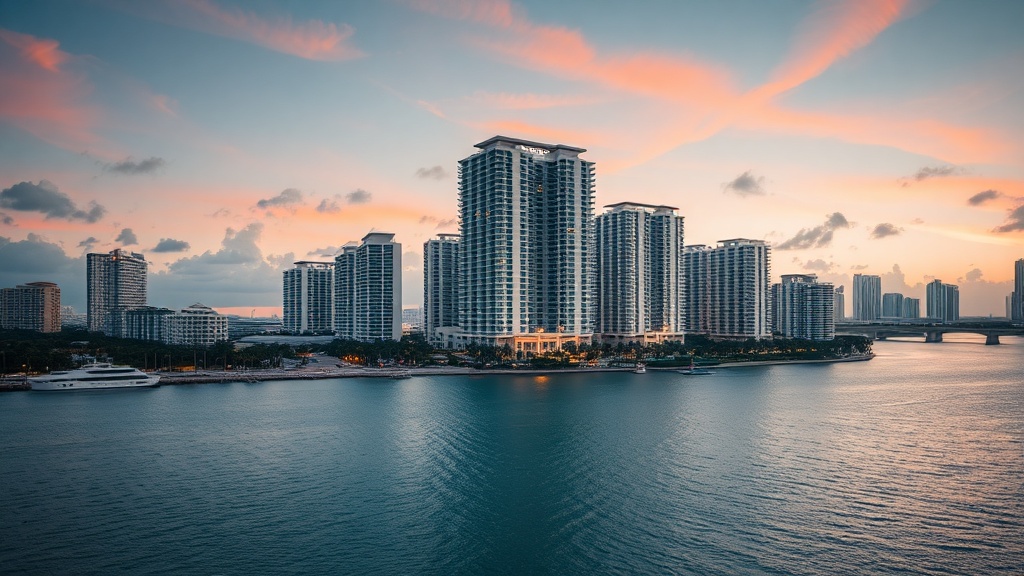
– Resilient building practices: New construction increasingly follows elevated design, flood-proof materials, and improved drainage planning. Retrofitting older buildings with flood barriers, sealants, and waterproofing extends their useful life.
– Policy and finance tools: Zoning updates, building code revisions, and targeted incentives encourage safer development patterns. Public-private partnerships and specialized insurance products are helping to finance resilience projects that might otherwise be cost-prohibitive.
Neighborhood-level action
Different neighborhoods face different challenges; low-lying coastal districts contend with tidal flooding, while inland areas may struggle with overwhelmed stormwater systems. Community-driven resilience hubs — local centers that offer information, temporary shelter, and resources during extreme weather — are growing in popularity. Local businesses are also adopting continuity plans to safeguard operations and customer safety.
Opportunities for residents and property owners
There are practical steps residents and property owners can take to reduce risk and improve property value:
– Assess vulnerability: Understand elevation, floodplain status, and drainage patterns for any property under consideration.
– Invest in protections: Simple upgrades like raised electrical systems, flood vents, and water-resistant finishes make a difference.
– Landscape for resilience: Permeable pavements, rain gardens, and native plantings reduce runoff and beautify outdoor spaces.
– Consider insurance and financing: Review flood insurance options and explore incentives or loan programs that support resilience improvements.
Why resilience is good for Miami’s future
Addressing coastal risk is also an economic opportunity.
Projects that reduce flood exposure increase investor confidence, protect tourism assets, and create jobs in construction, engineering, and green infrastructure. When communities prioritize resilience, they preserve the lifestyle and cultural vibrancy that make Miami unique.
As Miami continues to balance growth with climate realities, resilience becomes a central part of the city’s identity — blending innovation, community engagement, and nature-based design to keep neighborhoods safe, accessible, and thriving for residents and visitors alike.