
How Miami Is Fighting Sea Level Rise: Resilient Design, Green Infrastructure, and Equitable Adaptation
Miami is known for sun, beaches, and a vibrant cultural mix, but the city’s most pressing story blends coastal lifestyle with climate reality.
Rising seas and more intense storms are reshaping how neighborhoods are planned, how buildings are designed, and how residents and businesses prepare. That shift is spawning innovative approaches that aim to preserve Miami’s character while making it more resilient.
The challenge is subtle but steady: higher tides mean more frequent nuisance flooding, especially during “king tides” and heavy rain events.
Coastal streets, low-lying neighborhoods, and older infrastructure face repeated inundation. Long-term groundwater rise can undermine foundations and corrode utilities, complicating conventional flood responses. Those patterns push local governments, developers, and community organizations to rethink infrastructure and land use.
One visible response is investment in hard and soft infrastructure. Elevated roads, bigger stormwater pumps, and seawalls are often paired with nature-based solutions like restored mangroves, oyster beds, and living shorelines. These natural features absorb wave energy, enhance biodiversity, and reduce erosion while providing public green space. Permeable pavement, bioswales, and expanded urban tree canopy are being adopted to reduce runoff and cool heat islands, improving both flood control and quality of life.
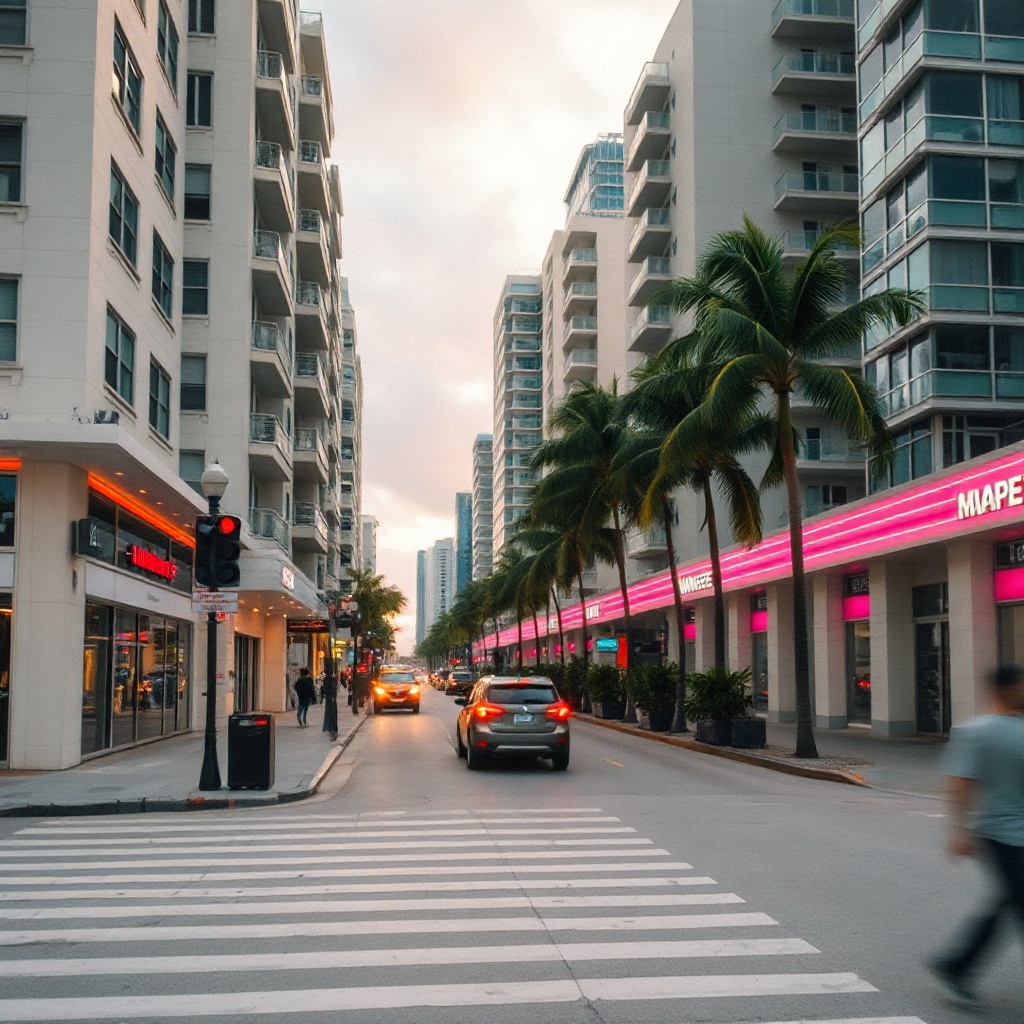
Building design is also adapting. New construction commonly includes higher finished-floor elevations, flood-resistant materials, and mechanical systems located above anticipated flood levels.
Retrofitting older homes often means elevating utilities, installing backflow preventers, and using resilient landscaping to channel water away from foundations. Developers and architects increasingly design with flexibility—structures that can be easily modified or elevated over time as conditions change.
Technology and data play a growing role. High-resolution flooding maps, sensors that monitor water levels and pump performance, and predictive modeling help planners prioritize investments and homeowners make informed choices. Microgrids, battery storage, and localized renewable energy reduce vulnerability to grid outages during storms. These tools, combined with better insurance products and financing mechanisms, are helping communities spread risk and support recovery.
Equity is a key consideration. Low-income and historically underserved neighborhoods often face higher exposure and have fewer resources to adapt. Inclusive planning emphasizes community engagement, targeted investments, and policies that avoid displacement. Programs that subsidize home hardening, fund resilient public housing upgrades, or buy out frequently flooded parcels can help align resilience with social justice.
Miami’s cultural and economic vibrancy motivates creative adaptation. Coastal parks and waterfront arts projects double as storm buffers. Waterfront restaurants and small businesses are experimenting with flexible storefronts and rapid-response plans to reopen after floods. Tourism and real estate markets are closely watching how neighborhoods invest in resilience; properties in areas with visible upgrades or strong flood-management plans often attract more confidence.
For residents and property owners, practical steps can make a difference: assess flood risk using local resources, consider elevation or flood-proofing measures for critical systems, and explore available incentives for resilience upgrades. Participation in neighborhood planning meetings can help ensure local needs shape broader strategies.
Miami’s transformation isn’t just about defending against water—it’s an opportunity to rethink urban life. By combining engineering, ecology, community voice, and smart investment, the region is working to protect what makes it unique while creating a more resilient, livable city for everyone.