
How the Miami Dolphins’ Speed-First Offense Is Reshaping the NFL: Tempo, Personnel & Analytics
Why the Miami Dolphins’ speed-first offense is reshaping the NFL
The Miami Dolphins have become synonymous with one thing: speed.
From tempo and pre-snap motion to deep vertical routes and quick-chasing playmakers, their offensive identity forces defenses to adapt or bend. That approach has made Miami one of the most watchable teams, and it also raises interesting tactical and personnel questions that will shape their trajectory.
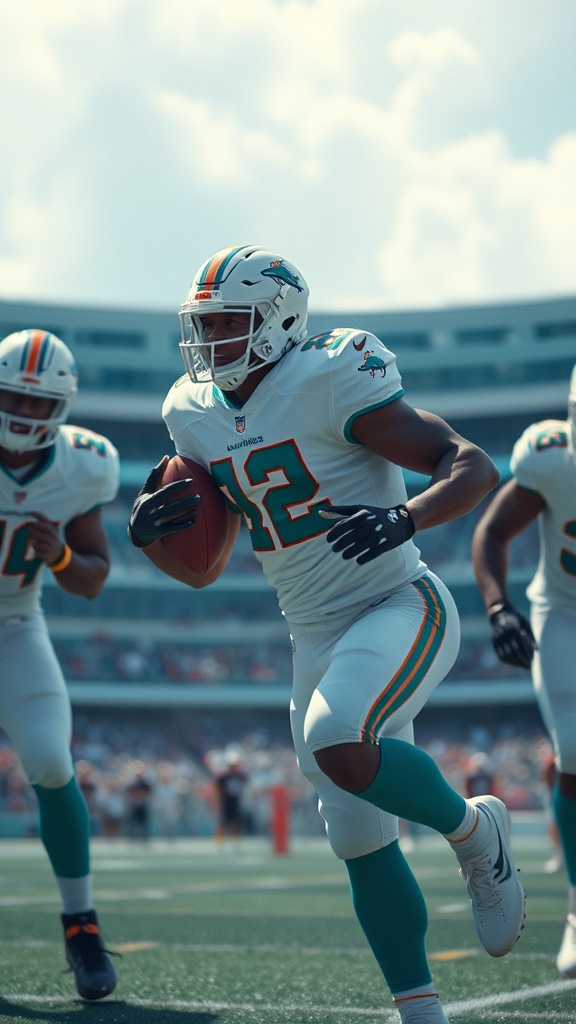
Offensive philosophy: tempo, motion, and space
At the core of the Dolphins’ blueprint is a commitment to creating space and exploiting it quickly.
Pre-snap motion and shifts are used not just to diagnose coverage but to manufacture mismatches—forcing defenders into uncomfortable footwork and communication under pressure. A high-tempo attack keeps opposing defenses from substituting personnel freely and magnifies the advantage of speed-based playmakers.
The passing game emphasizes both high-end vertical explosiveness and quick, rhythm-based completions.
Deep threats stretch the field and open lanes for intermediate crossing patterns and YAC (yards after catch) opportunities. The quarterback’s accuracy and timing are essential; quick reads and clean pocket delivery unlock the system.
Playmakers and roster construction
Speed isn’t only about fast receivers.
It requires complementary components: a mobile and precise quarterback, offensive linemen who can slide and sustain blocks laterally, athletic tight ends or slot threats who can exploit mismatches, and a running game that prevents defenses from dropping everyone into coverage. Roster building focuses on players who can win one-on-one matchups in space and maintain stamina in uptempo sets.
Defensively, the roster needs range and disruption. When an offense relies on tempo and chunk plays, defenses must field versatile defensive backs who can cover sideline-to-sideline and edge rushers who can alter passing windows quickly. Investing in depth across the secondary and rotation pieces on the defensive line helps counter fatigue over the course of fast-paced drives.
Health, sports science, and game management
A high-speed approach brings performance benefits but also raises durability concerns.
Sports science, individualized recovery plans, and conservative player management are integral. Monitoring workload—snap counts, practice reps, and recovery protocols—keeps key pieces available when it matters most. The team’s investment in medical staff and analytics is a direct response to the physical toll of their style.
Analytics and situational aggressiveness
Analytics play a visible role in play-calling and fourth-down decisions.
Aggressive tendencies—pursuing big chunks rather than grinding conservative drives—can pay dividends when executed consistently. Success hinges on situational discipline, turnover avoidance, and converting on third and fourth downs.
When the approach works, it forces opponents into reactive, rather than proactive, game plans.
Fan experience and home-field advantage
Hard Rock Stadium is a loud and humid environment that complements the team’s identity.
The fanbase is diverse, bilingual, and passionate; game days feature energetic tailgates and a strong visiting-fan presence that has only added to the spectacle. Weather and crowd noise can be subtle allies, especially late in games where tempo and stamina become deciding factors.
What to watch next
Key indicators to follow include the offensive line’s cohesion in protecting quick-release passes and sustaining run blocks, the health and availability of top playmakers, and the defense’s ability to generate timely pressure without sacrificing coverage. Coaching adjustments—both schematically and situationally—will determine whether the speed-first philosophy remains a sustainable competitive edge.
An identity rooted in speed creates dynamic football: it excites fans, challenges opponents, and requires persistent attention to roster balance, health, and in-game execution.
The Dolphins’ approach is a reminder that innovation and bold strategy can reshape expectations when matched with the right personnel and preparation.