
Inside the Miami Dolphins’ Modern Blueprint: Speed, Schemes, and Roster Strategy
The Miami Dolphins have become one of the NFL’s most discussed teams thanks to a distinctive blend of speed, schematics, and modern roster construction. Whether you follow closely or catch a game when the team’s in town, understanding what defines the Dolphins today helps explain both their successes and the challenges they face.
Offensive identity: tempo and creativity
The Dolphins’ offense is built around pace and unpredictability. Play designs often use pre-snap motion, tempo, and route combinations that force defenses to make quick decisions. That emphasis on speed is paired with a focus on spacing—creating mismatches for playmakers and giving the quarterback clean windows for quick reads or explosive shots downfield.
The offense mixes designed runs and RPO concepts with play-action to keep opponents off balance, while pass protection schemes aim to buy those extra fractions of a second that separate big plays from sacks.
Defensive approach: adaptable pressure
Miami’s defense leans on versatility. Front-seven play is designed to win with multiple looks—tweaking alignments and blitz packages to exploit opponent weaknesses. In the secondary, the emphasis on nickel and sub-packages reflects the league-wide tilt toward passing offenses. Turnover creation and third-down efficiency are primary metrics, with defenders coached to take smart risks that can swing momentum.
Roster construction: analytics meets athleticism
Building a competitive roster in today’s NFL is a balancing act between scouting instincts and data-driven decision making. The Dolphins prioritize speed, length, and athletic traits at skill positions, while also investing in depth along the offensive line and at linebacker. Draft capital, savvy free-agent signings, and targeted trades are used to complement homegrown talent. Sports performance, injury prevention, and workload management play increasingly large roles in keeping star players available over a long season.
Coaching and culture
A clear coaching identity helps a team sustain success. Miami’s coaching staff emphasizes situational awareness, attention to detail, and a culture of accountability. Players are expected to master the details of a complex playbook while embracing fast-paced practice tempos that mirror game speed. That culture of preparation often shows up late in games—when mental sharpness and conditioning become determining factors.
Fan experience and the home-field advantage
Hard Rock Stadium offers more than just a venue; it’s a destination. Tailgating, local food and entertainment, and the Miami climate create a game-day atmosphere that draws both locals and visitors. The team’s marketing and community outreach amplify that connection—fan events, youth programs, and charity initiatives keep the Dolphins integrated into South Florida life.
What to watch
Key areas to follow include: the development of young playmakers and how they expand the offense, the health and depth of the offensive line, the pass rush and secondary’s ability to generate turnovers, and how offseason roster moves change the team’s overall balance. Training camp competitions often reveal up-and-coming contributors and signal which positions are likely to see early-season rotation.
For fans and observers, the Dolphins represent a modern blueprint for building around speed and schematics while balancing long-term roster health.
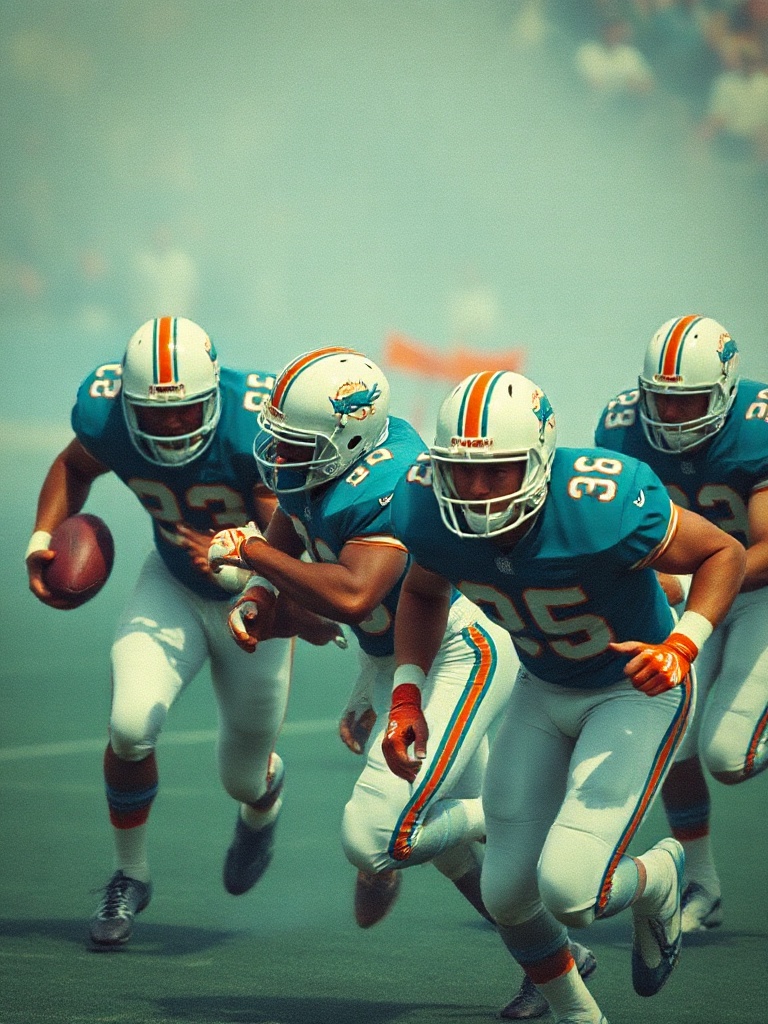
The team’s identity—fast, creative, and adaptable—makes them one of the more intriguing franchises to follow from both a football and a fan-experience perspective.