
Miami: Beaches, Neighborhoods, Food, Transit & Climate Resilience
Miami is a city where oceanfront glamour meets resilient urban innovation. From its iconic beaches and vibrant neighborhoods to serious infrastructure responses to coastal challenges, Miami blends tourism, culture, and forward-looking planning in ways that keep it both attractive and adaptive.
What makes Miami distinctive
Sun, sand, and nightlife often headline Miami’s appeal, but the city’s depth goes beyond the postcard image. A mosaic of neighborhoods offers distinct experiences: Wynwood’s mural-covered streets and galleries, Little Havana’s living cultural heart, Brickell’s glass-and-steel business corridor, Coconut Grove’s leafy bohemian vibe, and South Beach’s art deco boulevards and nightlife. Each area feeds into a broader cultural ecosystem that supports galleries, performance venues, independent restaurants, and festivals that attract international and local crowds alike.
Food and culture
Miami’s culinary scene is a global crossroads. Classic Cuban and Caribbean flavors sit alongside innovative chefs reinterpreting Latin American, Haitian, Bahamian, and South American cuisines.
Farm-to-table options and seafood-forward menus highlight local produce and Gulf catches.
Street food and upscale dining coexist, offering visitors and residents a wide range of experiences—from casual cafecitos and pastelitos to fine dining tasting menus that emphasize coastal ingredients.
Climate resilience and urban planning
Facing rising tides and more frequent storms, Miami has become a laboratory for coastal resilience.
The city and county have invested in comprehensive strategies that include upgraded stormwater pumps, elevated roads and buildings, seawalls and tide gates, and stricter building codes for flood resistance. Managed retreat is part of the conversation in low-lying zones, while new development increasingly incorporates elevation and floodproof design. These efforts create both engineering challenges and opportunities for architects, planners, and property owners seeking long-term value.
Real estate and the evolving skyline
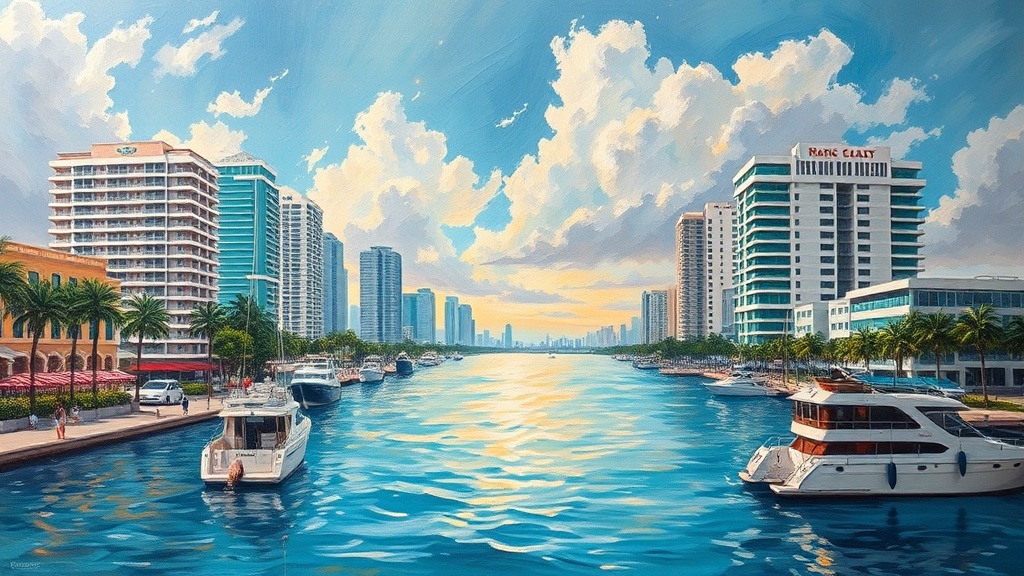
Miami’s skyline continues to evolve with luxury high-rises and adaptive reuse projects converting older buildings into mixed-use spaces. Demand fluctuates across market segments, with waterfront properties remaining premium and certain urban cores seeing increased interest from remote workers and international buyers. Transit-oriented development around rail and airport hubs is shaping the next wave of growth, aiming to reduce car dependence and improve walkability.
Transit and connectivity
Miami is pushing to expand multimodal transportation options. The light rail and free downtown circulator make parts of the city highly walkable, while expanding commuter services improve intercity connections. The international airport and major cruise terminals keep Miami a global gateway, with steady flows of visitors using the city as a hub for both leisure and business travel.
Outdoor life and nearby nature
Beyond beaches, the Miami area offers access to unique ecosystems like wetlands and subtropical hammocks.
Popular outdoor pursuits include boating, paddleboarding, cycling, and quick escapes to nearby natural preserves for birdwatching and kayaking. Urban parks and waterfront promenades also contribute to a livable city fabric, encouraging healthier, outdoor-focused lifestyles.
Visiting or living in Miami
Whether visiting for a long weekend or putting down roots, plan around neighborhoods that match your pace—art and nightlife, family-friendly parks, or business-focused districts.
Keep an eye on ongoing resilience projects and local transportation developments, as these shape where investment and quality-of-life improvements are concentrated.
Miami continues to balance the draw of its coastal lifestyle with the pragmatic work of adapting to environmental pressures, all while maintaining a cultural energy that keeps the city internationally relevant and locally beloved.