
Miami Dolphins Strategy Explained: Speed, Tempo & Turnovers That Define the Team
Miami Dolphins football has evolved into a compelling blend of speed, creativity, and strategic nuance that keeps fans and analysts engaged.
The team’s identity centers on an offense that emphasizes spacing, tempo, and explosive playmaking, paired with a defense that aims to create turnovers and pressure the quarterback.
For followers and casual observers alike, understanding what makes this team tick helps explain why each game feels unpredictable and exciting.
Offensive philosophy: tempo, motion, and explosiveness
At the core of the Dolphins’ approach is a scheme that maximizes space and leverages elite speed.
Pre-snap motion and misdirection are staples, forcing defenses to declare coverage and react quickly.
That creates favorable matchups for quick passes and seam opportunities. The passing attack prioritizes vertical shots and yards-after-catch opportunities, turning short completions into game-changing gains through schemed-up space and speed at the second level.
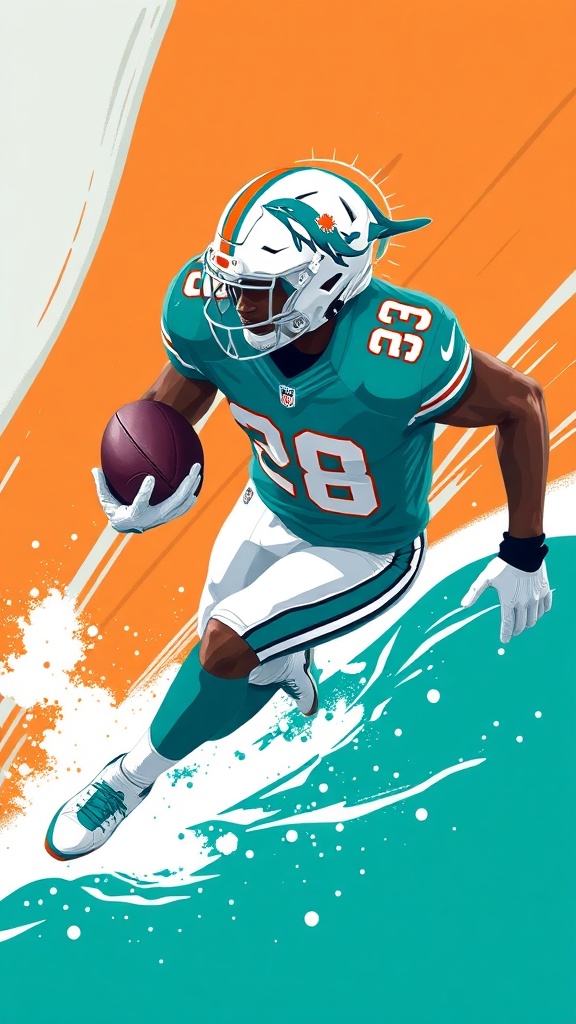
A quick-release passing game mitigates pressure and keeps drives alive, while an emphasis on tempo—frequently using no-huddle sequences—wears down defenses and reduces substitutions. Play-calling often balances risk and reward: calculated aggressiveness downfield mixed with high-percentage throws to maintain possession.
Key playmakers and quarterback management
Success hinges on a dynamic receiving corps and a quarterback who can make quick decisions and thrive in rhythm. The offense leans on receivers who can stretch the field and gain separation in space, making every quarterback snap a potential long-play opportunity.
Targeting and route design aim to exploit mismatches against slower linebackers and safeties.
Quarterback health and availability are managed with care, as the team’s scheme requires timing and continuity. Coaching staff closely coordinates recovery protocols and practice reps to keep the quarterback in sync with the offense while minimizing injury risk. That emphasis on load management helps sustain performance over the course of a long season.
Defensive priorities: pressure and takeaways
Defensively, the focus is on generating consistent pressure and forcing turnovers.
Schemes prioritize disguising looks and bringing edge rushers at opportune moments. Linebackers and defensive backs are coached to stay disciplined yet opportunistic, jumping on tipped balls and loose throws.
Creating negative plays—tackles for loss, passes batted at the line, and sacks—helps the defense flip field position and give the offense more manageable situations.
Special teams also play a pivotal role, with field position battles often deciding close contests.
Game-day experience and fan culture
Hard Rock Stadium combines modern amenities with a vibrant South Florida atmosphere.
Game-day is a mix of tailgating energy, celebrity sightings, and passionate fan sections. For visiting supporters, arriving early to enjoy pregame fan zones, local food stands, and the waterfront views around the stadium enhances the experience. Lightweight clothing, sun protection, and hydration are musts for day games thanks to the region’s climate.
What to watch moving forward
Key indicators of sustained success include quarterback availability, offensive line cohesion, and the defense’s ability to generate turnovers.
Depth at skill positions and smart in-season adjustments will determine how the team handles the rigors of the schedule.
Roster balance—keeping a mix of veteran savvy and emerging young talent—remains essential.
Whether following closely or catching games occasionally, the Miami Dolphins offer a watchable brand of football that prioritizes speed, innovation, and bold play-calling. Fans can enjoy both the on-field product and the lively game-day atmosphere while keeping an eye on how health management and schematic tweaks shape the team’s trajectory.