
Miami Flood Resilience: Practical Strategies for Waterfront Living
Miami’s waterfront lifestyle is a major draw, but rising water and stronger storms are reshaping how the city lives, builds, and plans. Residents, property owners, and visitors are paying closer attention to resilience strategies that protect neighborhoods, preserve ecosystems, and keep Miami’s economy thriving.
Why resilience matters in Miami
Miami’s low-lying topography and porous limestone bedrock make flooding a frequent concern. Tidal flooding, storm surge, and heavy rainfall can combine to overwhelm streets and stormwater systems, disrupting daily life and affecting property values. For businesses and homeowners, practical resilience measures reduce risk, lower long-term costs, and help maintain insurance eligibility.
City-scale responses
Local governments and utilities are investing in layered solutions rather than single fixes. Those measures often include upgraded stormwater pumps and drainage systems, road elevation projects, and stronger building codes that require higher finished-floor elevations and flood-resistant materials. Public-private partnerships are financing seawall improvements and coastal restoration work to protect vulnerable shorelines.
Nature-based solutions
Living shorelines and mangrove restoration are central to Miami’s resilience strategy. Rather than relying solely on hard walls, these nature-based approaches use marsh plantings, oyster reefs, and mangroves to absorb wave energy, reduce erosion, and provide habitat for wildlife. Green infrastructure—bioswales, permeable pavement, rain gardens, and tree canopies—helps slow and absorb stormwater before it reaches streets and canals.
What property owners can do
– Elevate critical systems: Raise HVAC units, electrical panels, and water heaters above expected flood elevation.
– Floodproof effectively: Use flood-resistant materials for lower levels and consider dry or wet floodproofing methods based on structure type.
– Landscape intentionally: Install rain gardens, native plants, and permeable surfaces to increase onsite infiltration.
– Get elevation documentation: An elevation certificate helps when buying, selling, or insuring property in flood-prone zones.
– Review insurance and financing: Talk to an insurance agent about flood insurance options and potential discounts for mitigation measures.
Check mortgage and lender requirements for flood zones.
– Consider community action: Neighborhood associations can advocate for pump upgrades, seawall maintenance, and local green infrastructure projects.
Tech and data-driven planning
Advanced monitoring systems—real-time tide and rainfall sensors, predictive flood maps, and modeling tools—are helping officials and residents make faster, better-informed decisions. Smartphone alerts and community notification systems improve early warning and evacuation planning during severe weather.
Real estate and lifestyle implications
Resilient design is increasingly important for buyers and renters.
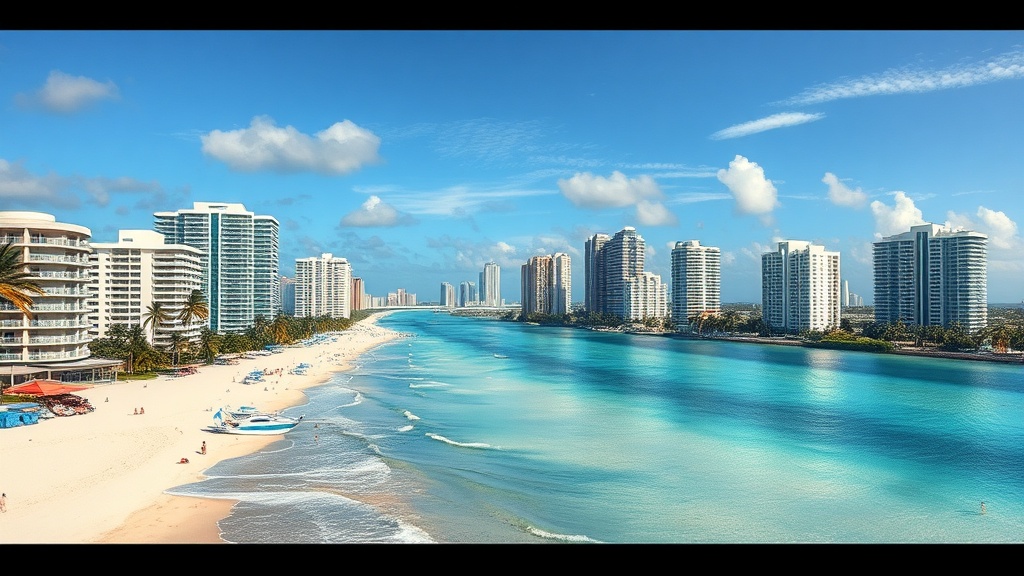
Properties with flood-resilient upgrades, elevated living spaces, or proximity to restored natural buffers are often seen as better long-term investments. Developers are adapting designs to include elevated common areas, integrated drainage systems, and resilient landscaping that complements Miami’s tropical aesthetic.
Getting involved
Engaging with local resilience offices, attending community meetings, and supporting conservation projects are practical ways to help shape the city’s future. Volunteer opportunities often include mangrove plantings, neighborhood stormwater workshops, and advocacy for responsible coastal development.
Miami’s coastal identity is strong, and resilience measures are helping the region adapt without losing the character that makes it unique. By combining engineering, nature-based solutions, smart policy, and community action, Miami continues to evolve toward a more water-aware future.