
Miami Flood Resilience: Smart Urban Design, Homeowner Tips, and Investment Strategies
Miami’s coastlines and neighborhoods are known for sun-soaked beaches, vibrant culture, and rapid growth — but also for the need to adapt to coastal flooding and intense storms. As weather patterns shift and sea levels rise, Miami is emerging as a laboratory for urban resilience.
Residents, developers, and city planners are balancing lifestyle, investment, and long-term survival with smart design and community action.
Why resilience matters in Miami
Miami sits on low-lying land where high tides, storm surge, and heavy rain can converge. Flooding affects property values, insurance costs, transportation, and everyday life. A resilient Miami doesn’t just defend against water; it designs systems that absorb, store, and move water safely while preserving the natural ecosystems that protect the coast.
Practical strategies shaping the city
– Raised infrastructure: Streets, sidewalks, and utilities in many neighborhoods are being elevated or retrofitted to reduce routine flooding and maintain emergency access during storms.
– Stormwater management: New development increasingly uses larger stormwater capacity, pump systems, and retention basins to prevent street-level flooding during heavy rains.
– Building design: Elevated ground floors, flood-resilient materials, and mechanical systems placed above anticipated flood levels help reduce damage and recovery times.
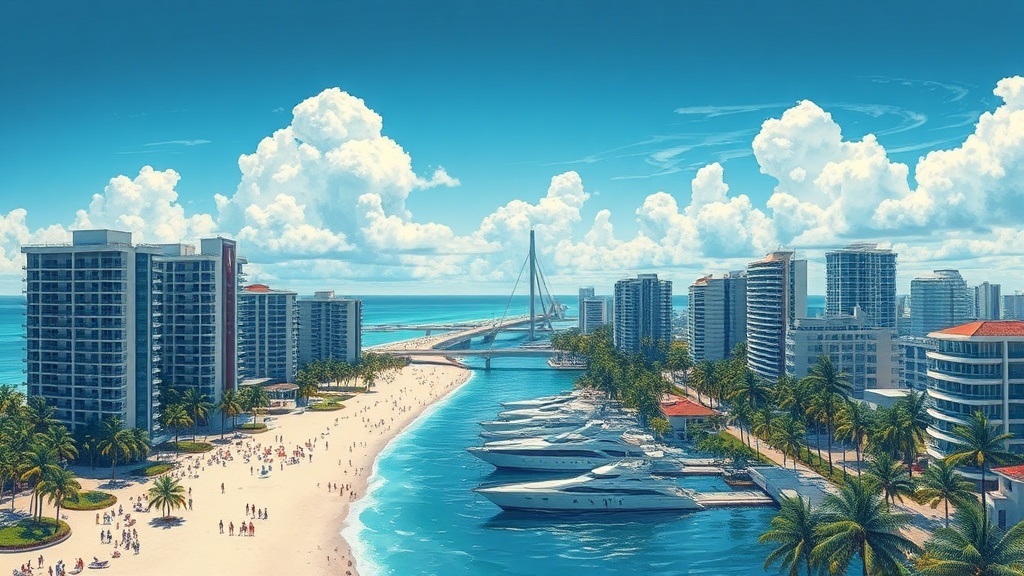
– Natural defenses: Restoring mangroves, creating living shorelines, and protecting wetlands provides long-term protection by absorbing wave energy and stabilizing sediments.
– Permeable surfaces & green infrastructure: Bioswales, rain gardens, and permeable pavements let water infiltrate rather than overwhelm sewers, improving urban drainage while adding green space.
– Community preparedness: Neighborhood-level plans, emergency supply networks, and public outreach programs improve response when flooding or storms occur.
What residents and property buyers can do
– Know elevation: Ask for elevation certificates or flood-risk maps to understand a property’s vulnerability. Higher elevations and raised first floors reduce risk.
– Review insurance: Flood insurance is distinct from typical homeowners insurance.
Confirm coverage options and understand exclusions and waiting periods.
– Invest in resilience upgrades: Flood vents, water-resistant finishes, raised electrical systems, and landscape grading are practical improvements that limit damage and speed recovery.
– Embrace native landscaping: Drought- and salt-tolerant native plants reduce stormwater runoff and support coastal ecosystems.
– Stay informed and involved: Participate in local planning meetings and support policies that fund infrastructure upgrades and natural-habitat restoration.
Opportunities for cities and investors
Resilience is also an economic opportunity. Properties and neighborhoods that incorporate climate-smart design can command premiums for reliability and lower long-term operating costs. Public-private partnerships are funding pumps, sea gates, and shoreline restoration, and innovative financing models are emerging to spread the cost of large infrastructure projects.
Balancing growth with nature
Sensible growth in Miami prioritizes compact, transit-oriented development, preserves critical wetlands, and invests in multi-benefit green spaces that improve quality of life while reducing flood risk.
The most successful strategies combine engineered defenses with natural systems to create flexible, cost-effective protection.
Staying adaptable
As conditions shift, flexibility is essential.
Continuous monitoring, updated building codes, and incremental investments in both hard infrastructure and nature-based solutions help neighborhoods adapt without losing what makes Miami unique. For residents and businesses, proactive planning and practical upgrades are the best ways to protect lifestyle and assets while contributing to a smarter, more resilient city.