
Miami Guide for Visitors & New Residents: Neighborhoods, Food, Culture, and Climate Resilience
Miami blends sun-soaked beaches with a dynamic cultural scene and growing efforts in climate resilience, making it a city that draws visitors, residents, and investors alike.
Whether you’re planning a short escape or considering a move, here’s a practical look at what makes Miami distinct and how to get the most from a visit or stay.
A neighborhood for every mood
Miami’s neighborhoods each offer a different flavor.
South Beach remains iconic for its Art Deco architecture and lively beachfront scene. Little Havana immerses visitors in Cuban culture with vibrant street life, live music, and authentic eateries. Wynwood is a magnet for art lovers, where murals and galleries surround experimental restaurants and craft breweries. For a more polished vibe, the Design District showcases luxury shopping, contemporary galleries, and sleek public art, while Brickell serves as the city’s financial hub with a growing skyline and high-end dining. Coral Gables and Coconut Grove provide leafy streets, boutique shopping, and quieter residential charm.
Culinary crossroads
Culinary diversity is a cornerstone of Miami’s appeal. Cuban classics like cafecito and ropa vieja sit alongside modern Latin fusion, Caribbean seafood, and globally inspired tasting menus.
Food halls and farmers’ markets make it easy to sample small plates from rising chefs, while longstanding family-run restaurants offer deeply rooted flavors. Seafood is a must—look for ceviche, stone crabs when available locally, and fish prepared with tropical citrus and herbs.
Art, culture, and nightlife
Miami’s cultural offerings are broad: contemporary galleries, classical music venues, and energetic nightlife coexist. Street art in converted warehouse districts attracts global attention, and independent theaters showcase local talent. After dark, rooftop lounges and beachfront clubs offer multiple ways to experience the city’s music scene, from salsa and reggaetón to electronic and live jazz. Many venues balance lively energy with a sense of discovery—seek out neighborhood joints for the most authentic experiences.
Outdoor adventures and nature
Beyond beaches, Miami is a gateway to unique ecosystems. Biscayne and nearby national parks offer boating, snorkeling, and wildlife viewing, including opportunities to spot mangroves, sea turtles, and native bird species. Eco-tours to nearby wetlands provide a contrasting landscape of sawgrass and alligators. For more active visitors, paddleboarding, kiteboarding, and guided reef excursions are readily available.
Planning considerations and practical tips
Miami is known for warm weather and occasional intense showers—pack lightweight clothing, sun protection, and quick-dry options. Public transport options include rail, express trains, and local trolleys; ride-hailing services fill gaps for late-night travel.
Traffic can be heavy during peak periods, so allow extra time for commutes. Neighborhood safety varies—stick to well-lit areas at night and ask locals or hotel staff for recommendations.
Resilience and sustainability
The city is actively addressing coastal challenges through infrastructure upgrades, mangrove restoration, and building code improvements. Many neighborhoods are investing in green spaces and stormwater solutions that aim to protect streets and property while enhancing urban livability.
Visitors will see a mix of historic architecture and modern projects aimed at long-term resilience.
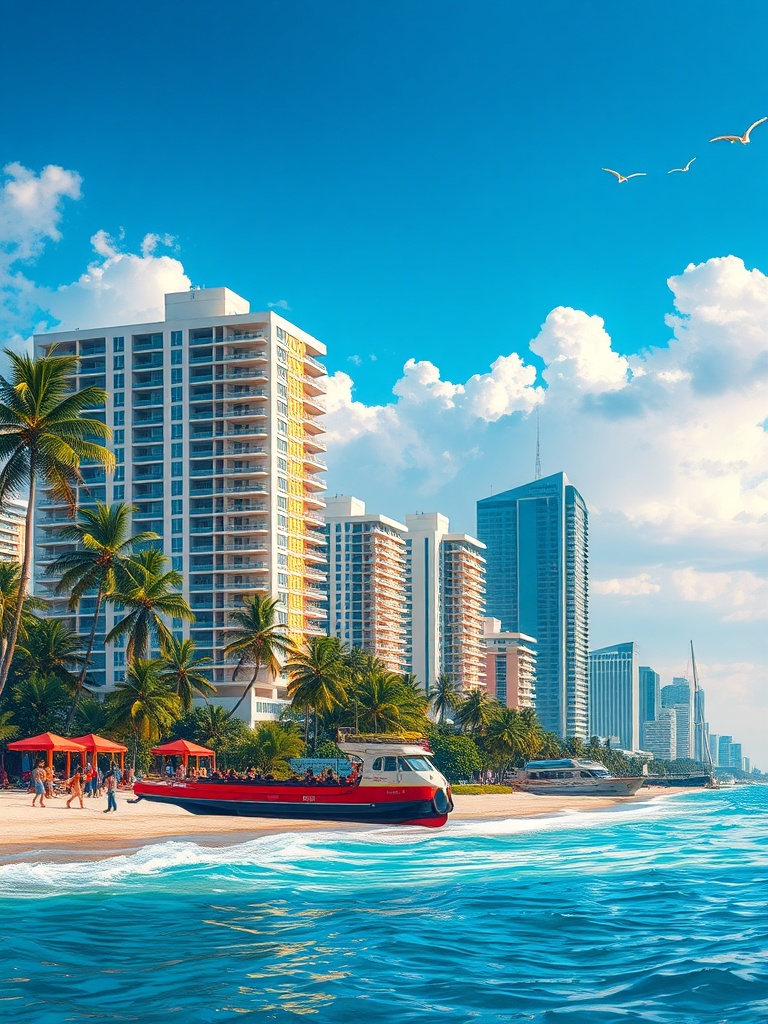
Whether drawn by art, cuisine, beaches, or business, Miami offers a layered experience that rewards exploration. Embrace the city’s contrasts—ocean and urban, tradition and innovation—to make the most of your time here.