
Miami Heat Blueprint: How Culture, Coaching & Roster Strategy Drive Sustainable Success
Miami Heat: How Identity and Culture Drive Sustainable Success
The Miami Heat remain one of the NBA’s most recognizable franchises, defined less by star power and more by a repeatable identity: disciplined defense, physical toughness, and a culture that demands accountability.
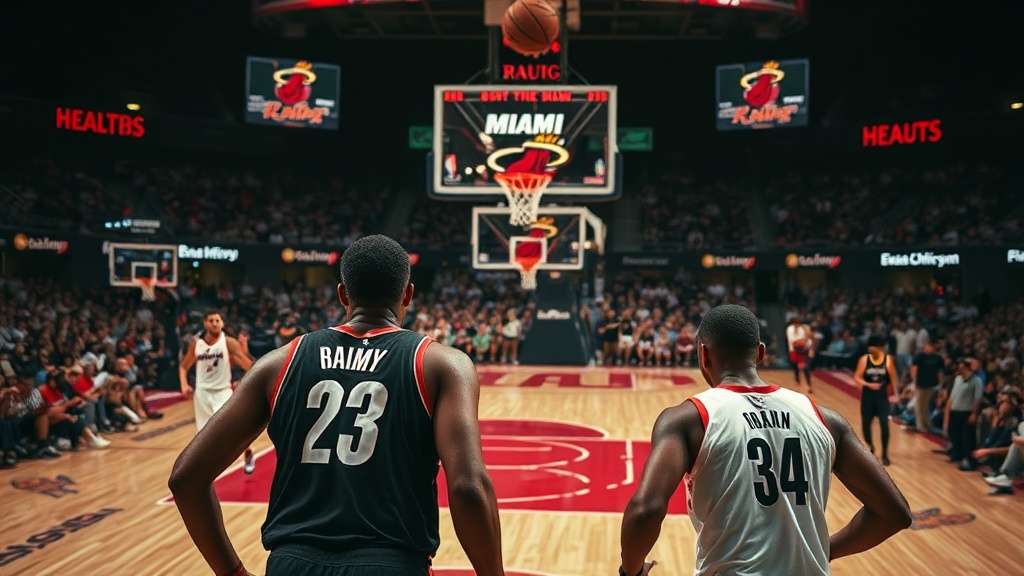
That DNA, cultivated by leadership in the front office and on the bench, has kept the team competitive through roster turnover and shifting league trends.
Culture and leadership
At the heart of the franchise is a culture that prioritizes work ethic, preparation, and buy-in. Team leadership has been consistent about expecting two-way effort from every rotation player. That expectation creates a template: develop versatile defenders, rely on multiple creators instead of one pure scorer, and let coaching make the small tweaks that win playoff series.
Strong locker-room leadership from established stars amplifies that approach, giving younger players a clear blueprint for earning minutes and contributing.
Coaching and tactical flexibility
Coaching philosophy blends modern analytics with classical fundamentals.
A switch-heavy, positionless defense is paired with rapid task-switching on rotations, hedging, and help defense that funnels opponents into contested shots. Offensively, ball movement and pick-and-roll creativity remain staples, but there’s also an emphasis on late-clock execution and situational play-calling—areas where disciplined teams often gain an edge in the postseason.
Player development pipeline
The organization invests in player development from the G League through the main roster. The affiliate system provides a space to install the Heat’s defensive principles and floor-spacing concepts for young players, accelerating their readiness for NBA minutes. That hands-on approach to development makes bargain signings and mid-level acquisitions more productive, because the system amplifies individual strengths quickly.
Roster construction and cap strategy
Sustainable competitiveness requires smart roster construction. The franchise balances veteran contracts with flexible, team-friendly deals to preserve future options at the trade deadline and free agency. There’s a clear preference for players who fit the culture — high-effort defenders, capable shooters who share the ball, and secondary ball-handlers who can relieve pressure in late-game situations. That mindset supports depth across multiple positions, which is essential during long playoff runs.
Adaptability in the modern game
The Heat’s agility shows up in in-game adjustments and offseason planning. When the league trends toward small-ball or size, the team tweaks rotations and spacing accordingly. When facing elite interior scorers, the system leans on help defense and switch-heavy coverages. That adaptability is why the Heat often appear prepared for opponents with contrasting styles.
Fan base and market advantages
Playing in a major media market provides recruiting and commercial advantages, but the franchise’s real edge is its brand credibility. Fans expect a competitive team and reward hustle and postseason intensity.
That energy fuels the home-court advantage and helps attract players who want to be part of something more than a paycheck.
What to watch next
Watch for continued emphasis on two-way players and the front office’s use of flexibility to chase complementary pieces at deadlines.
Player development outputs from the affiliate system will also be telling—when those prospects step into rotation roles seamlessly, it’s evidence the culture continues to produce results.
With a blend of disciplined coaching, culture-first roster moves, and a clear strategic identity, the franchise remains built to compete year after year.
Fans can expect a team that prizes effort, defensive toughness, and smart roster moves over fleeting star chasing.