
Miami Living & Travel Guide: Neighborhoods, Food, Waterfront Life, and Climate Resilience
Miami moves with a unique rhythm — a blend of sun-soaked beaches, bold street art, Latin-inspired flavors and an increasing focus on resilience. Whether you’re planning a visit, considering a move, or just curious about urban innovation, Miami offers lessons in culture, climate adaptation and creative reinvention.
A cultural crossroads
Miami’s neighborhoods are distinct personalities. Little Havana pulses with live music, hand-rolled cigars and vibrant cafés serving strong Cuban coffee.
Wynwood is a global canvas where muralists and galleries transform warehouse walls into ever-changing public art. The Design District pairs high-end fashion with public installations and contemporary architecture, while Coral Gables and Coconut Grove offer leafy streets, boutique shopping and relaxed dining. These neighborhoods fuel a year-round cultural calendar — from gallery exhibitions and open-air markets to live music and theatrical performances — making the city a magnet for artists and creative enterprises.
Food scene and culinary fusion
Miami’s culinary identity is a delicious synthesis of Caribbean, Latin American and coastal traditions. Expect fresh seafood prepared with bold seasonings, inventive ceviches, stone-baked pizzas with tropical twists, and a thriving scene of Latin-inspired fine dining.
Food halls and local markets make it easy to sample many flavors in one stop, while family-run restaurants offer authentic dishes passed down through generations. For visitors, exploring neighborhood eateries often yields the most memorable meals.
Waterfront living and transportation
The city’s relationship with water shapes both lifestyle and development. Scenic promenades, waterfront parks and boating access define many communities, while an international port supports robust cruise and logistics activity. Getting around has become easier for pedestrians and transit riders: downtown areas feature free automated circulators, expanded bike lanes connect key corridors, and commuter rail links offer alternatives to driving. Ride-sharing, electric scooters and water taxis help fill gaps for short trips or first/last-mile connections.
Resilience and adaptation
Rising tides and stronger storms are shaping infrastructure and planning decisions. Local governments and communities are investing in pump systems, elevated roadways, seawalls and updated building codes to protect property and maintain mobility during heavy rain and tidal flooding. Green infrastructure strategies — like permeable pavements, expanded mangrove restoration and urban green spaces — aim to reduce flood risk while improving livability and biodiversity. These efforts reflect a pragmatic approach: adapt where possible, protect critical assets, and design with water in mind.
Real estate and lifestyle considerations
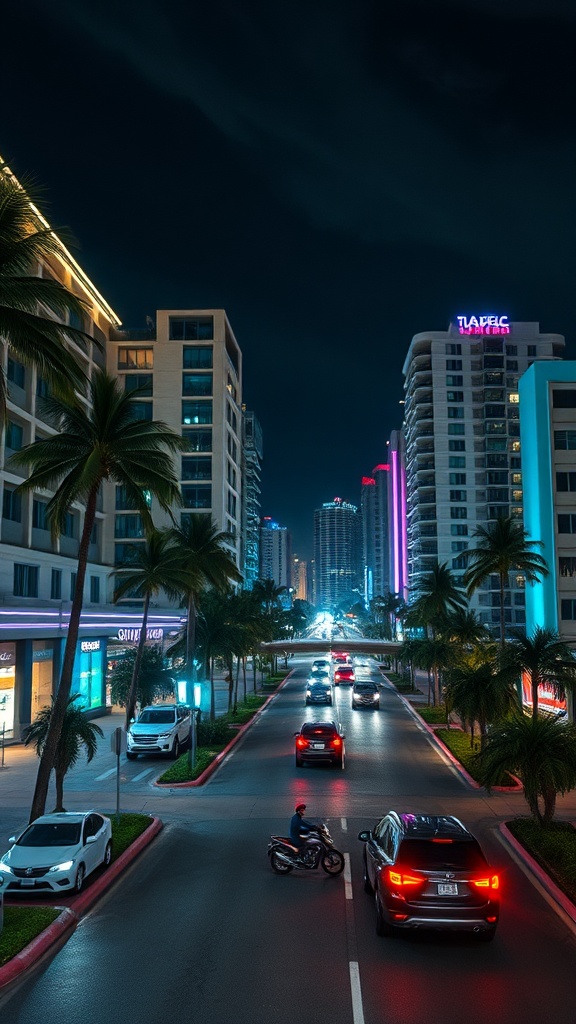
Miami’s real estate market reflects high demand for waterfront views, walkable neighborhoods and units designed for modern coastal living. Developers are increasingly focused on resilient construction techniques and amenities that cater to active, outdoors-oriented lifestyles. For buyers and renters, important factors include elevation, proximity to transit, stormwater management features and flood insurance requirements.
Tips for visitors and new residents
– Pack for humidity and sun protection: breathable fabrics, sunblock and a reusable water bottle make exploring more comfortable.
– Time your outings for early morning or evening to avoid the hottest part of the day.
– Use transit and micro-mobility options in dense districts to avoid parking hassles.
– Explore beyond the well-known hotspots to find quieter cafés, neighborhood parks and local markets.
– Stay informed about weather advisories and local preparedness steps when planning outdoor activities.
Miami’s appeal comes from its contrasts: vibrant nightlife and serene nature preserves, high-rise innovation and historic neighborhoods, global commerce and neighborhood traditions. The city keeps evolving, balancing cultural dynamism with practical responses to environmental challenges, making it a compelling place to experience, study and enjoy.