
Miami Neighborhood Guide for Visitors & New Residents: Best Areas, Transit, Real Estate and Flood-Ready Tips
Miami mixes sun-soaked beaches with a vibrant cultural pulse, making it a city that attracts visitors, entrepreneurs, and new residents alike. Whether someone is planning a short stay or considering a move, understanding the city’s neighborhoods, transportation, lifestyle, and resilience efforts helps make smarter choices.
Neighborhoods and lifestyle
– South Beach: Famous for nightlife, Art Deco architecture, and beach access.
Ideal for those who want a walkable day-to-night lifestyle and frequent events.
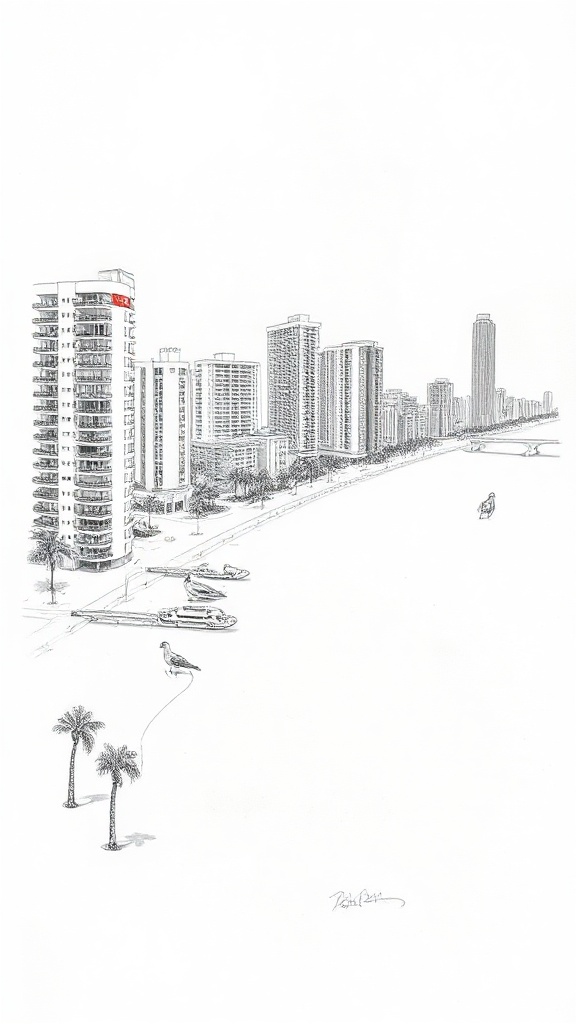
– Brickell: The financial district with a dense skyline, high-rise condos, and many restaurants. Popular with young professionals who prioritize convenience and transit options.
– Wynwood and the Design District: Creative hubs known for street art, galleries, boutique shopping, and café culture. Good for creatives and anyone who enjoys frequent cultural programming.
– Little Havana: The cultural heart of Miami’s Cuban and Latin heritage, offering authentic food, live music, and neighborhood festivals.
– Coconut Grove and Coral Gables: Tree-lined, residential areas favored by families and those seeking quieter streets, parks, and top-rated schools.
Real estate and living choices
Miami’s housing ranges from beachfront condos and historic single-family homes to contemporary mid-rise developments and new mixed-use projects. Buyers and renters should consider:
– Flood risk: Many properties lie in low-lying areas. Review flood zone maps, elevation data, and whether properties have flood mitigation features.
– Insurance and costs: Flood insurance and wind coverage can meaningfully affect monthly expenses; factor these into budgets.
– Building amenities vs. walkability: High-rise condominiums often include pools, gyms, and security, while older neighborhoods may offer more character and quieter streets.
Getting around
Car culture remains strong, but alternatives are growing. Metrorail and Metromover serve parts of the city center, while regional rail and intercity services connect to neighboring communities. Bike lanes, e-scooters, and rideshare options make short trips more convenient.
Traffic can be congested during peak times; planning off-peak travel or using transit can save time.
Food, culture, and nightlife
Miami’s culinary scene is a major draw. From Cuban cafés and seafood markets to Caribbean, Peruvian, and upscale fusion restaurants, the food scene reflects the city’s multicultural roots. Nightlife ranges from intimate cocktail bars and live music venues to larger clubs and waterfront dining. Cultural calendars feature gallery walks, music series, and public art installations throughout the year.
Climate resilience and practical preparedness
Because Miami faces coastal flooding and stronger storms, the city has invested in resilience measures such as elevated roadways, pump systems, and green infrastructure. Homeowners and renters should take practical steps:
– Elevation and landscaping: Choose properties with higher ground or raised living spaces when possible. Use native, salt-tolerant landscaping to reduce erosion.
– Storm preparedness: Maintain a simple emergency kit, secure shutters or impact windows, and have evacuation routes and insurance documents accessible.
– Stay informed: Sign up for local advisories and learn community plans for extreme weather events.
Tips for newcomers and visitors
– Time neighborhood visits to experience mornings, daytime, and nightlife in each area.
– Use public transit in dense corridors to avoid parking hassles.
– Taste the diversity: sample cafes in Little Havana, food halls in Wynwood, and seafood in waterfront neighborhoods.
– Budget for insurance and potential mitigation costs when evaluating real estate.
Miami blends coastal living with a dynamic cultural scene and ongoing adaptation to environmental challenges.
Being informed about neighborhoods, transit, and resilience helps residents and visitors get the most out of this lively, sunlit city.