
Miami Reinvented: Neighborhood Guide, Cultural Hotspots, Real Estate & Climate-Ready Tips for Visitors and New Residents
Miami keeps reinventing itself as a global city where sun, culture, commerce, and climate awareness collide.
Whether you’re planning a visit, scouting neighborhoods, or considering a longer stay, understanding what makes Miami unique helps you enjoy the city while navigating its rapid evolution.
Why Miami draws attention
A vibrant mix of Latin American and Caribbean cultures gives Miami a distinctive energy.
Neighborhoods like Little Havana and Wynwood showcase this blend through cuisine, music, and street art. Waterfront boulevards, high-rise skylines, and an arts scene that rivals larger metropolitan areas make Miami appealing to tourists and professionals alike. The city is also a hub for hospitality, international trade, finance, and a growing tech and startup community that attracts talent from around the world.
Neighborhoods to know
– South Beach: Famous for nightlife, beaches, and art deco architecture. Ideal for visitors looking for classic Miami glamour.
– Brickell: The financial center with high-rise condos, trendy restaurants, and convenient transit options for professionals.
– Wynwood: A creative district known for murals, galleries, and boutique shops—great for daytime exploring and weekend outings.
– Little Havana: Cultural heartland offering authentic Cuban cuisine, music venues, and lively street festivals.
– Coconut Grove and Coral Gables: Tree-lined streets, historic homes, and an upscale, quieter pace popular with families.
Practical tips for visitors and new residents
– Weather readiness: Miami’s tropical climate means warm temperatures and frequent afternoon showers.
Lightweight, breathable clothing and sun protection are essential. Plan outdoor activities for mornings or evenings to avoid the hottest hours.
– Transportation: Rideshares are plentiful, and scooter or bike rentals can be a convenient way to navigate shorter distances. Public transit connects major hubs but can be slower than driving for some routes.
– Dining and nightlife: Miami’s culinary scene spans high-end fusion, seafood eateries, and authentic street food. Reservations are useful for popular spots, and exploring neighborhood eateries often yields the best local flavors.
Real estate and resilience considerations
Miami’s desirability comes with thoughtful planning needs. When evaluating property, consider elevation and flood risk, local building standards, and the availability of flood insurance. Many developments and municipalities are investing in resilient infrastructure—pumps, raised streets, seawalls, and improved drainage—to mitigate flooding and protect communities.
Look for buildings with modern waterproofing, backup power solutions, and materials suited to coastal environments.
Culture, events, and the arts
Miami’s cultural calendar is packed with diverse events that attract artists and visitors globally.
Museums, galleries, and public art initiatives contribute to a year-round creative pulse. Street festivals and live music offer accessible ways to experience local culture, while boutique galleries and performance venues showcase emerging talent.
Sustainable lifestyle choices
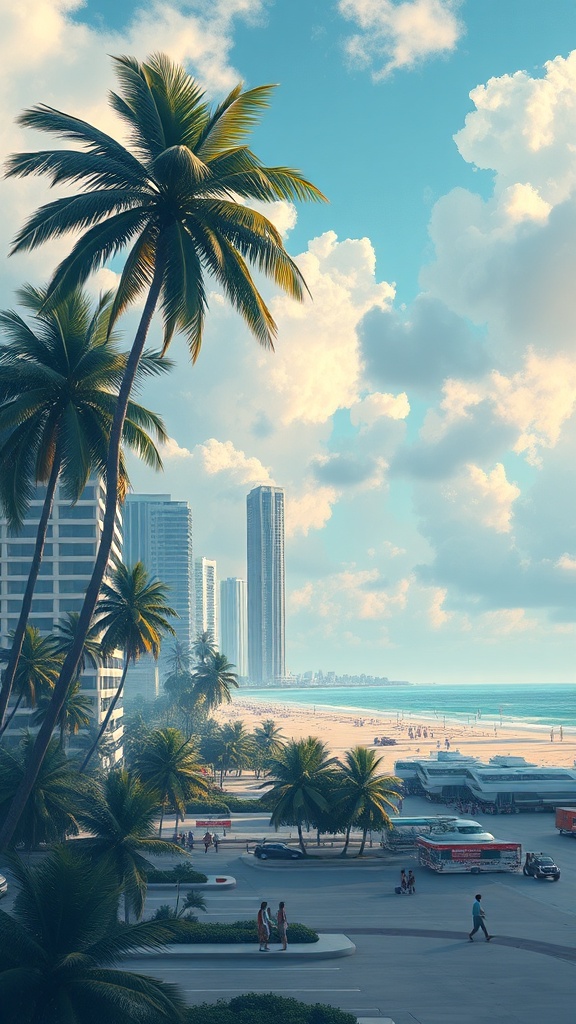
Sustainability efforts are increasing across the city: green building practices, coastal habitat restoration, and community initiatives to reduce waste and support public transit. Choosing locally owned businesses, supporting urban green spaces, and using alternative transport options all help maintain Miami’s vibrant environment.
Miami remains a city of contrasts—dynamic growth alongside coastal challenges, international flair paired with neighborhood charm.
Whether the interest is lifestyle, investment, or exploration, staying informed about local infrastructure, culture, and practicalities makes the Miami experience both enjoyable and smart.