
Miami Reinvented: The Neighborhoods, Culture, and Climate Resilience Shaping Where to Live and Visit
Miami’s reinvention is unfolding at the intersection of culture, climate action, and lifestyle. For residents and visitors alike, the city offers a mix of vibrant neighborhoods, a globally recognized arts scene, and an urgent focus on resilience that shapes daily life and investments.
A city of neighborhoods
Miami’s neighborhoods each deliver a distinct vibe. Wynwood is a canvas of street art and independent galleries, drawing creative energy and culinary experiments. Brickell functions as the financial core, stacked with high-rises, restaurants, and walkable amenities. Little Havana preserves Cuban culture with music, cafés, and festivals, while Coral Gables and Coconut Grove offer quieter, tree-lined streets and historic architecture.
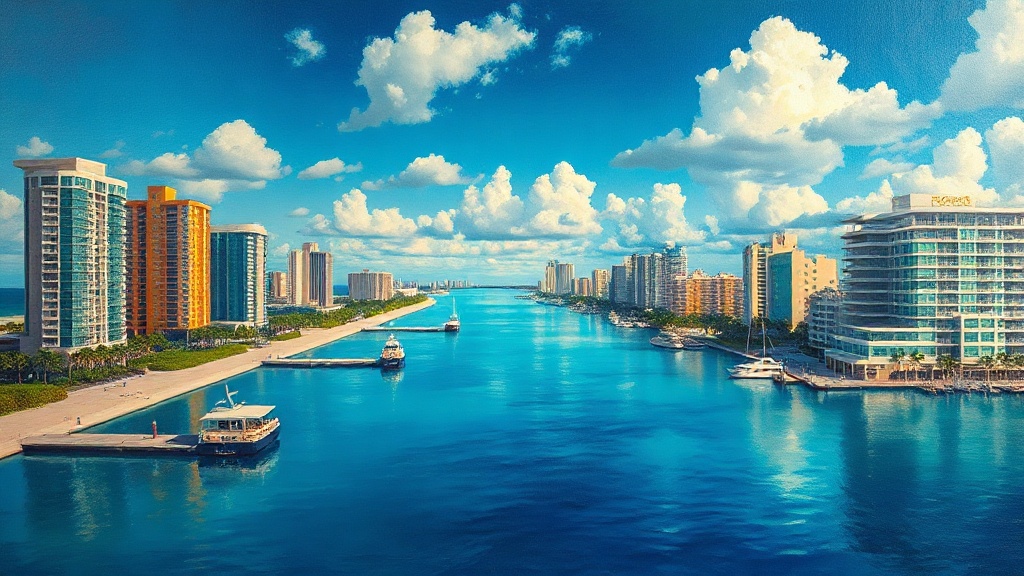
Miami Beach remains iconic for its design, nightlife, and beachfront public spaces.
Art, food, and nightlife
Miami is known for headline cultural events and a year-round calendar of gallery openings, performances, and pop-ups that keep the creative pulse buzzing.
Museums, public art installations, and design districts make art accessible across the city. The dining scene spans authentic Latin cuisines and cutting-edge fusion, plus a strong seafood tradition anchored by local catches. Nightlife blends upscale lounges, live-music venues, and late-night eateries, offering something for almost every taste.
Climate resilience shaping the future
One defining element of Miami’s evolution is the proactive approach to sea level rise and flooding. Public and private initiatives emphasize elevated design standards, seawalls, raised sidewalks, pump systems, and expanded stormwater infrastructure.
Property owners increasingly prioritize flood mitigation measures—elevating mechanical systems, installing backflow preventers, and choosing flood-resistant materials for lower floors. Local policies and funding programs aimed at shoreline protection and water management are driving visible change on streets and shorelines.
What buyers and renters should consider
– Flood risk and insurance: Check current flood maps and insurance requirements for specific addresses; premiums can vary dramatically by location and elevation.
– Building resilience: Look for elevated mechanicals, flood vents, and construction materials designed for moisture resistance.
– Transit and walkability: Proximity to Metromover, Metrorail, Brightline, and bike lanes can improve daily life and long-term value.
– Neighborhood trajectory: Cultural investments, new parks, and transit connections often correlate with rising demand.
Getting around
Public transit options combined with ride-hailing, regional rail, and micro-mobility create a diverse mobility mix.
Downtown and Brickell have strong pedestrian and transit networks. For trips beyond the core, regional rail provides a comfortable alternative to driving, and improved bike lanes and shared scooters help bridge short distances.
Outdoor life and recreation
Miamian lifestyles revolve around water and outdoor living. Beaches, parks, kayak launches, and waterfront promenades encourage active weekends and community events.
Urban green spaces and newly designed stormwater parks serve dual purposes—recreation and flood control—demonstrating how infrastructure can enhance quality of life.
Tips for visitors
– Prioritize neighborhoods by interest: art and nightlife in Wynwood and South Beach, food and culture in Little Havana, relaxed local life in Coconut Grove.
– Plan for weather variability: bring sun protection and a lightweight rain layer for sudden showers.
– Explore beyond the shoreline: hidden gems in residential neighborhoods highlight local culture and cuisine away from tourist corridors.
Miami is balancing vibrant growth with practical adaptation.
The result is a city that continues to attract creatives, entrepreneurs, and curious travelers while building infrastructure and design practices to sustain the lifestyle residents treasure.