
Miami Resilience Guide: Sea-Level Rise Solutions, Neighborhood Adaptation & Visitor Tips
Miami is a city of contrasts: sun-soaked beaches and vivid street art, high-rise finance towers and quiet historic neighborhoods. One of the most talked-about topics for residents, investors, and visitors is how the city is adapting to coastal challenges while preserving the lifestyle and economy that make it unique.
Resilience is reshaping Miami’s urban fabric.
Coastal neighborhoods are investing in a mix of engineered and nature-based solutions to manage flooding and storm surge.
You’ll see seawalls and raised roadways in low-lying areas alongside restored mangroves and living shorelines that absorb wave energy and provide habitat. Municipal projects and private developments increasingly include stormwater pumps, green infrastructure such as bioswales and permeable pavement, and elevated building designs to reduce vulnerability during heavy rainfall or high tides.
Building codes and design standards have shifted to prioritize elevation and durability. New construction often features raised first floors, flood-resistant materials, and electrical systems placed above potential high-water lines. Developers and homeowners are also embracing rooftop gardens, reflective roofing, and energy-efficient systems that reduce heat and lower utility costs—all elements that improve comfort while enhancing long-term value.
Miami’s economy relies on a blend of tourism, finance, tech, and trade. The Port remains a global gateway for cruise and cargo traffic, while downtown and Brickell continue to attract offices and fintech firms. Creative districts like Wynwood drive cultural tourism with galleries and street murals, and neighborhood hubs such as Little Havana and Coconut Grove keep small-business vitality strong. That economic diversity helps the region fund adaptation efforts and maintain amenities that attract visitors and new residents alike.
Lifestyle in Miami continues to emphasize outdoor living. Parks and waterfronts are being reimagined as multi-use public spaces that can withstand periodic flooding while offering recreation, trails, and event venues. Transit and mobility are evolving too: investment in public transit, bike lanes, and pedestrian-friendly corridors is making it easier to move without relying solely on cars, especially during peak tourist seasons.
Practical considerations for anyone living in or visiting Miami:
– Check local flood maps and property elevation before buying or renting.
– Look for buildings with elevated entries, flood-resistant materials, and modern drainage systems.
– Consider flood insurance and understand coverage options for your situation.
– Adopt landscaping and home upgrades that improve drainage and reduce water intrusion.
– Stay informed about local advisories and neighborhood resilience plans, especially during storm season.
Culture and food remain core to Miami’s identity. From fresh seafood and Cuban cuisine to a dynamic arts calendar, the city’s neighborhoods continue to offer culinary and cultural discoveries. Community-based initiatives and neighborhood associations play a key role in shaping resilient, livable streetscapes—balancing growth with the character that locals value.
Miami’s future is being written through a combination of engineering, ecological restoration, policy adjustments, and community engagement.
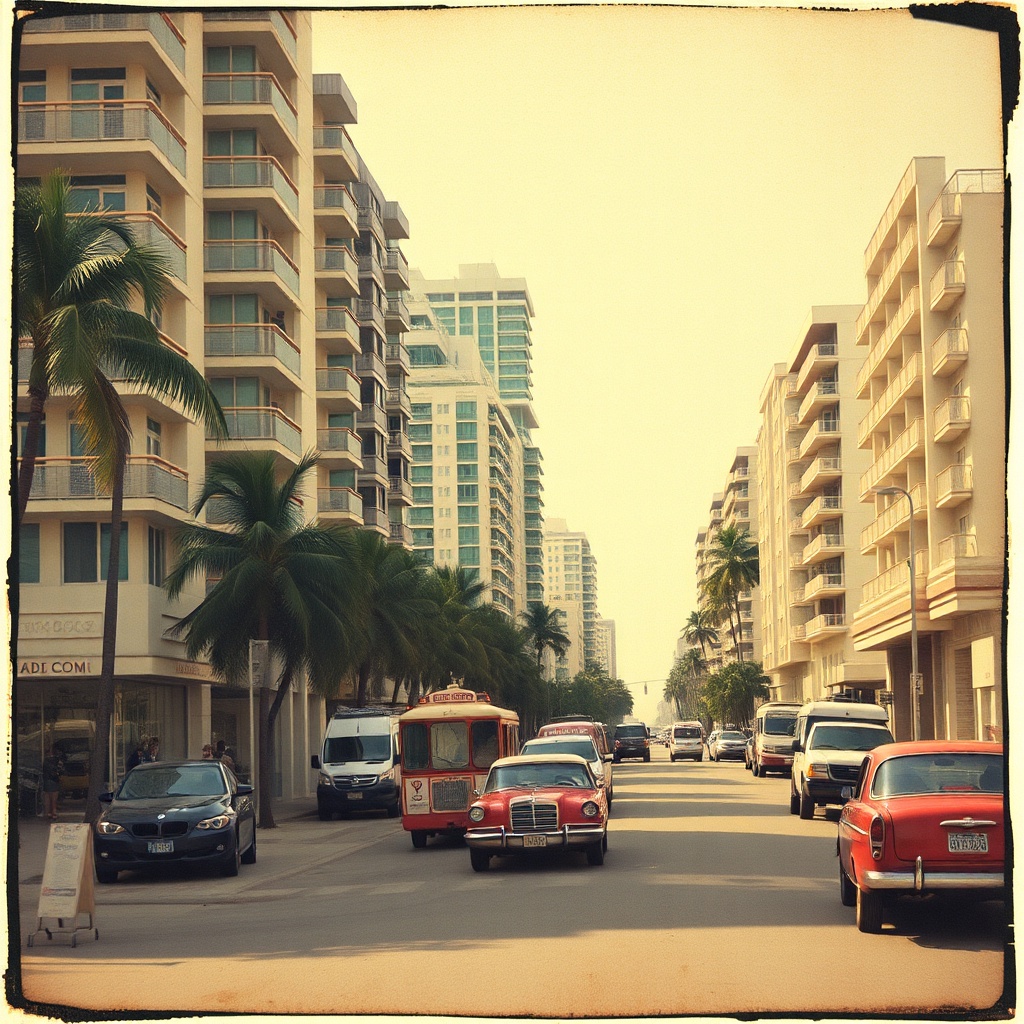
For residents and visitors, staying informed and making practical adjustments can both protect assets and enhance enjoyment of everything the city has to offer—from waterfront vistas to vibrant neighborhoods.