
Miami Travel Guide: Beaches, Top Neighborhoods, Food & Coastal Resilience
Miami moves fast — a coastal metropolis where beaches, business, and culture collide. For visitors and locals alike, the city offers a mix of sun-soaked leisure, fast-growing industry, and creative energy that keeps attention focused on its neighborhoods, culinary scene, and ongoing efforts to adapt to a changing coastline.
Why people come (and stay)
– Sun, sand, and water activities remain a primary draw: world-class beaches, boating, paddleboarding, and quick access to the Everglades make Miami a playground for outdoor enthusiasts.
– A dynamic cultural scene pulls artists, collectors, and festivalgoers. Gallery-lined streets, public murals, and high-profile art fairs coexist with a thriving live-music circuit and Latino cultural events.
– Business momentum is strong. Miami’s strategic location as a gateway to Latin America, combined with growing tech and finance presence, keeps talent and capital flowing into downtown and Brickell.
Neighborhoods that define the city
– South Beach and the Art Deco District deliver iconic architecture, nightlife, and beachfront energy.
– Wynwood has become synonymous with bold murals, galleries, and a curated cluster of restaurants and bars that attract creatives and collectors.
– Little Havana offers authentic Cuban coffee, live music, and cultural rituals along its main corridors.
– Brickell and the Design District showcase high-rise living, luxury shopping, and an expanding roster of upscale dining options.
– Coconut Grove and Coral Gables provide tree-lined streets, boutique shops, and a quieter, more residential feel.
Food and nightlife
Miami’s food scene is a flavorful fusion of Latin American and Caribbean traditions with global influences. From neighborhood cafecitos to Michelin-recognized tasting menus, dining ranges from quick bites to culinary destination experiences.
Late-night options and rooftop bars keep the social calendar lively well past sundown.
Climate resilience and coastal planning
Rising seas and stronger storms have pushed resilience to the top of local agendas. Municipal and county projects focus on seawalls, elevated roadways, enhanced stormwater systems, and neighborhood-level mitigation to reduce flooding.
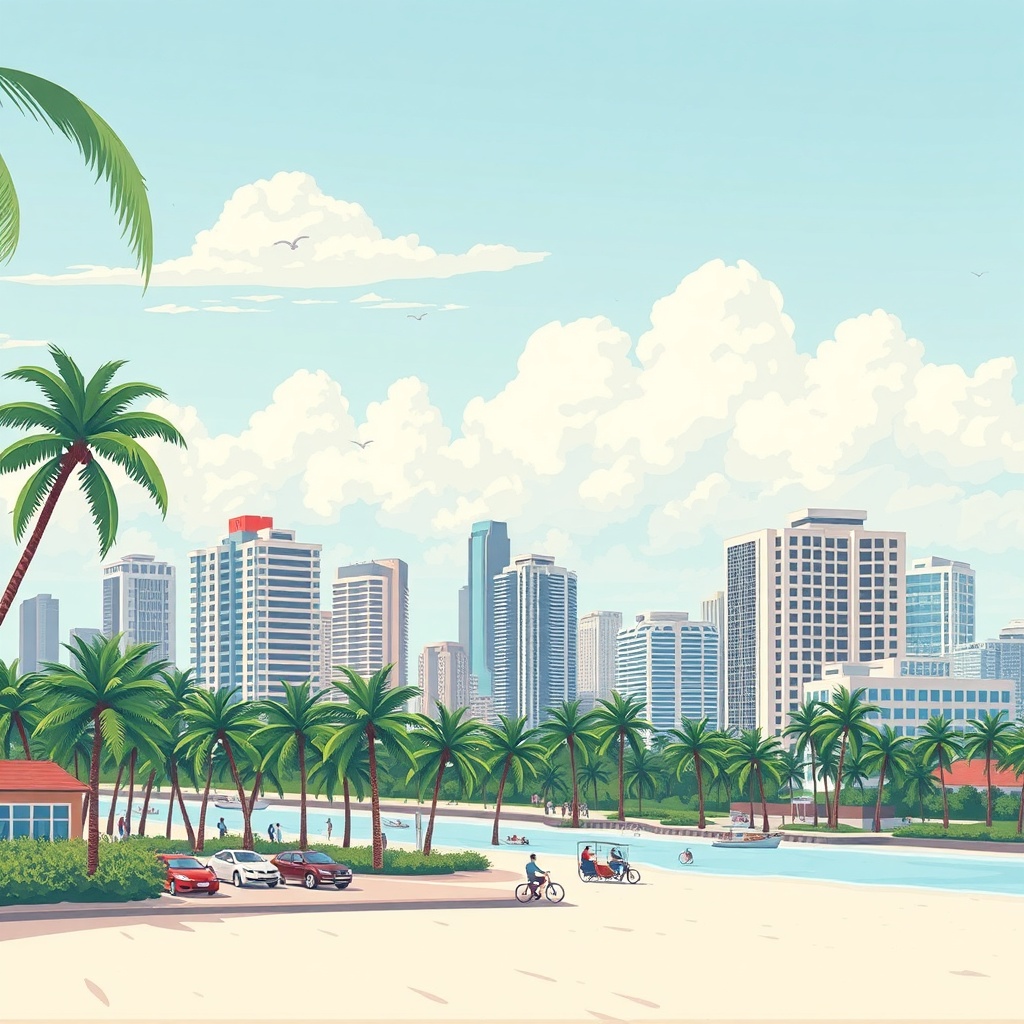
Simultaneously, efforts to protect and restore coastal and marine ecosystems — including local reefs — are gaining attention from conservation groups and city planners.
For residents and property owners, staying informed about flood maps, insurance options, and neighborhood infrastructure upgrades is essential.
Getting around
Major airports and growing rail services make arriving and moving around South Florida easier than ever. Within the city, a combination of rideshares, trolleys, light rail, and bike-friendly corridors helps mitigate traffic, though driving remains the most common mode for many.
Embracing transit options can speed travel during busy hours and provide a greener way to explore.
Practical tips for visitors
– Pack light, breathable clothing and be prepared for humidity and sudden showers.
– Book popular restaurants and tours ahead of time, especially around major events.
– Explore beyond the beach: neighborhood walking tours, art walks, and food crawls reveal the city’s cultural depth.
– Keep an eye on local advisories during storm season and know your hotel’s safety and evacuation plans.
Miami’s appeal is a blend of beachfront leisure, multicultural energy, and forward-looking urban evolution.
Whether you’re chasing nightlife, scouting business opportunities, or exploring creative neighborhoods, the city continues to reinvent itself while staying rooted in the coastal lifestyle that defines it.