
Miami Travel Guide: Culture, Waterfront Life, and Neighborhoods to Explore
Miami: Culture, Waterfront Life, and What to Explore Next
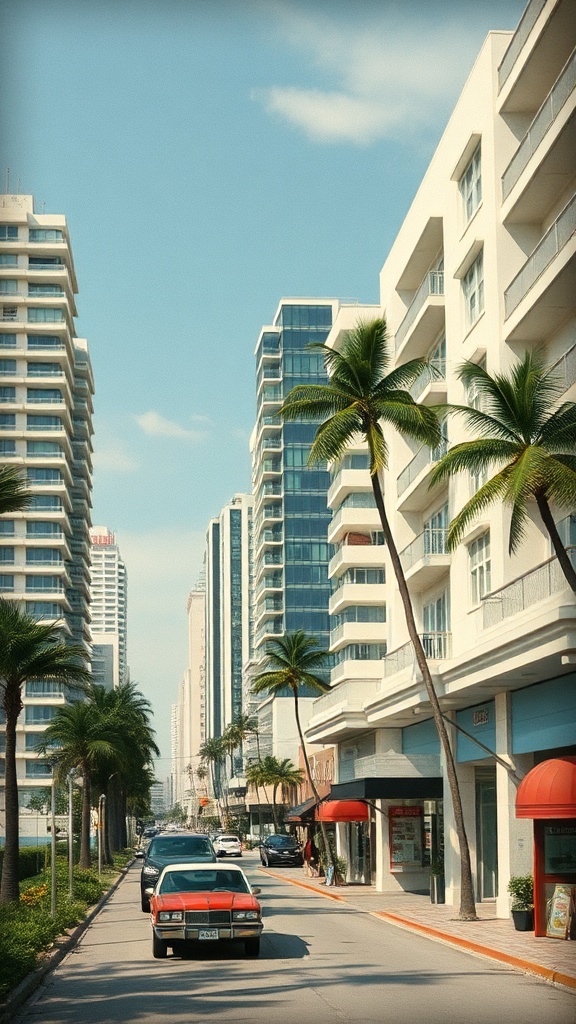
Miami is a city of contrasts — sun-drenched beaches and vibrant nightlife, a growing tech and finance hub, and neighborhoods that pulse with art, food and history. Visitors and locals alike find endless ways to experience the city, from waterfront promenades to tucked-away cafés serving robust Cuban coffee.
Neighborhoods that define Miami
– South Beach: The iconic stretch of sand and neon Art Deco architecture remains a go-to for beach days, people-watching, and nightlife.
– Wynwood and the Design District: Street art, galleries, and high-design showrooms make these areas a magnet for creatives and trendsetters.
Outdoor murals and rotating exhibitions invite casual strolls and photo-friendly stops.
– Little Havana: Experience Cuban culture through music, food and social rituals.
Walk along a vibrant main avenue, sample hand-rolled cigars, and savor classic fare at family-run restaurants.
– Brickell and Downtown: These areas blend business and leisure with rooftop bars, riverwalks, and easy access to cultural institutions.
– Coconut Grove and Coral Gables: Lush, leafy streets and a slower pace offer an alternative to the bustle, with boutique shopping, historic sites, and waterfront parks.
Food and nightlife
Miami’s culinary scene reflects its multicultural population.
Cuban and Caribbean flavors are staples, but the city also showcases Latin American, Haitian, South American and global cuisines. Food halls, pop-up markets, and long-standing neighborhood restaurants deliver both innovation and tradition. Nightlife ranges from casual beachfront bars to upscale clubs and intimate live-music venues, so whether you want an evening dance floor or a quiet rooftop cocktail, options abound.
Outdoor activities and natural escapes
Biscayne Bay and the nearby wetlands provide a playground for boating, paddleboarding, and wildlife viewing. Day trips to the region’s unique ecosystems reward visitors with opportunities to spot wading birds, manatees, and mangroves. Urban parks and coastal promenades give easy access to sunrise and sunset views, while bike-friendly routes invite exploration beyond the core tourist districts.
Arts and culture
Miami’s arts scene is dynamic and diverse. Public art initiatives, galleries, and museums host rotating exhibitions and community events on a regular basis. Major contemporary art gatherings draw international attention, but the city’s year-round activity includes local artist shows, live music, and cultural festivals that spotlight immigrant communities and their creative contributions.
Climate resilience and waterfront planning
Miami’s coastal location is a defining asset and a shared challenge. Ongoing sea level rise and seasonal storms have prompted significant investments in resilience: raised roadways, redesigned drainage, seawalls, pump systems, and green infrastructure projects aim to reduce flooding while preserving public access to the waterfront.
Many neighborhoods are adapting through a mix of engineering and nature-based solutions, making resilience part of the city’s redevelopment and planning conversations.
Practical tips for visitors
– Use public transit like the automated downtown circulator and regional rail connections to avoid parking headaches.
– Protect skin and stay hydrated — tropical sun is intense.
– Explore neighborhoods on foot where possible to get a true sense of local life.
– Book popular restaurants and tours in advance, especially for waterfront cruises or outdoor excursions.
Whether the draw is art, food, nature, or simply beach time, Miami delivers a layered urban experience that keeps evolving. Plan a stay that mixes iconic sights with quieter neighborhood discoveries for a fuller sense of the city’s energy and hospitality.