
Miami Travel & Relocation Guide: Neighborhoods, Food, Art & Beaches
Miami blends sun-soaked beaches, a dynamic arts scene, and a culture of reinvention that keeps it on many travel and relocation lists. Whether you’re planning a short getaway or exploring a move, knowing what makes Miami unique helps you make the most of the city’s vibrant neighborhoods, outdoor lifestyle, and creative energy.
What to expect: neighborhoods and highlights
– South Beach: Iconic beaches, Art Deco architecture, and nightlife draw visitors to this compact, walkable area.
Stroll Ocean Drive early to enjoy the architecture before crowds arrive.
– Wynwood and the Design District: Street art murals, independent galleries, and boutique shops make Wynwood a hub for contemporary creativity. The Design District offers high-end retail and public art installations.
– Little Havana: Cuban influence is central here—cafecitos, live music, and cultural festivals showcase Miami’s Latin roots. Calle Ocho is a great place to sample authentic food and music.
– Coconut Grove and Coral Gables: Lush, residential areas with tree-lined streets, historic estates, and quieter dining scenes that appeal to families and those seeking a relaxed rhythm.
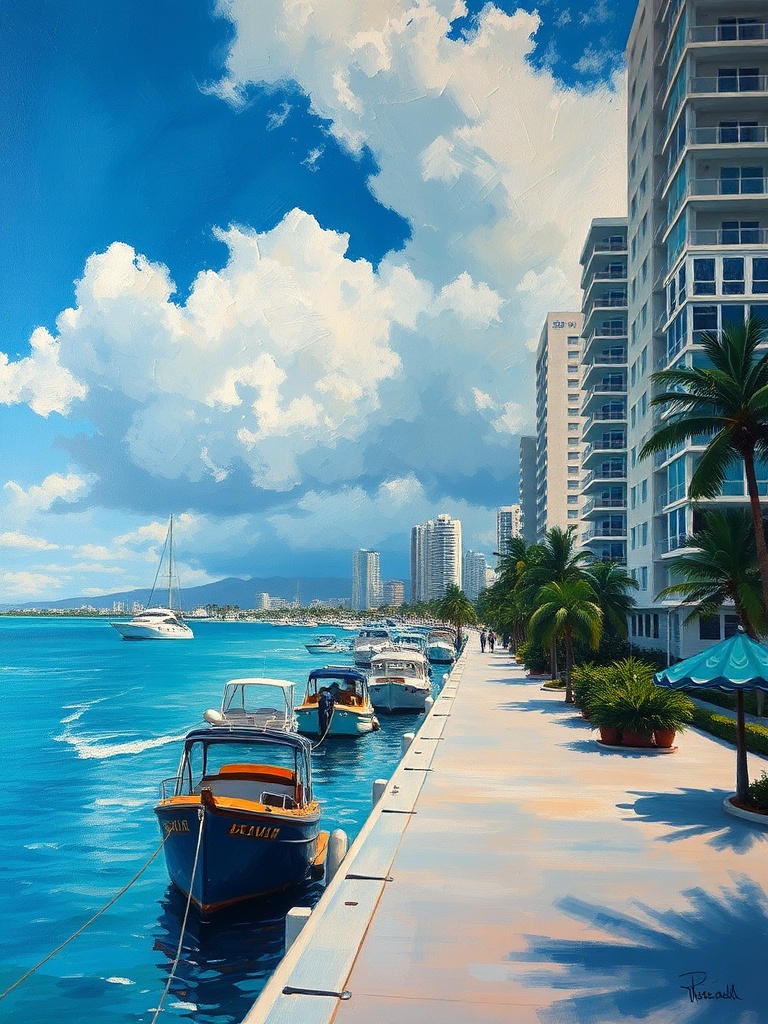
– Biscayne Bay and the waterfront: Boat charters, kayaking, and waterfront dining are popular ways to enjoy Miami’s coastal lifestyle.
Art, food, and culture
Miami’s food scene is a melting pot of flavors—classic Cuban sandwiches and cafecitos sit alongside inventive seafood, Caribbean seafood, and farm-to-table restaurants. For a true local experience, visit a family-run cafecito window, join a food tour in Little Havana, or explore the local farmers markets for fresh produce and street food.
The city’s arts calendar is dense, with contemporary art murals, rotating gallery openings, and design events that attract international creatives.
Museums, public art pieces, and smaller street-level galleries provide accessible ways to experience Miami’s evolving cultural identity.
Getting around
Miami’s transportation options include a growing rail and people-mover network in downtown and Brickell, an expanding bike-share system, and frequent trolleys in some neighborhoods. Ride-hailing services are widely available, and walking can be ideal within compact districts. If you plan to explore beyond the urban core—such as the Everglades or beaches further north—renting a car offers added flexibility.
Outdoor life and wellness
The subtropical climate encourages outdoor activities year-round. Morning runs along the beachwalk, paddleboarding in the bay, and park workouts in the city’s green spaces are common routines for locals. For nature lovers, nearby coastal preserves and the vast wetlands provide opportunities for airboat tours, birdwatching, and quiet hiking.
Climate resilience and urban planning
Miami faces coastal challenges that have inspired innovation in urban design.
Local initiatives focus on green infrastructure, stormwater management, and elevated construction standards to address sea-level concerns. Many neighborhoods are investing in permeable pavements, native landscaping, and community-based planning to improve long-term resilience.
Practical tips
– Beat the heat: Plan outdoor activities for early morning or evening. Carry water and sun protection.
– Reservations: Popular restaurants and art events can book quickly—reserve ahead when possible.
– Local currency tips: Many small vendors prefer contactless or card payments; having a small amount of cash is still helpful in neighborhoods with legacy cafés.
Miami rewards curiosity: explore beyond the postcards to find neighborhood coffee shops, designer studios, and community events that reveal the city’s true pulse. Whether for food, art, or outdoor adventure, Miami offers an adaptable blend of urban energy and coastal calm that keeps people coming back.