
Miami’s Coastal Future: Balancing Growth, Culture, and Resilience Against Sea-Level Rise
Living with Water: How Miami Balances Growth, Culture, and Resilience
Miami’s skyline, beaches, and nightlife draw visitors and new residents, but beneath the glamour is a city adapting to environmental and economic pressures. The story of Miami today is less about a single trend and more about how culture, development, and resilience are merging to shape the next phase of urban life along the coast.
Resilience by design
Rising sea levels and more intense storms have pushed public agencies, developers, and communities to rethink how the city grows. Multi-pronged strategies include elevated infrastructure, expanded stormwater pumps, seawalls and levees where appropriate, and natural solutions like mangrove restoration and coastal dune preservation.
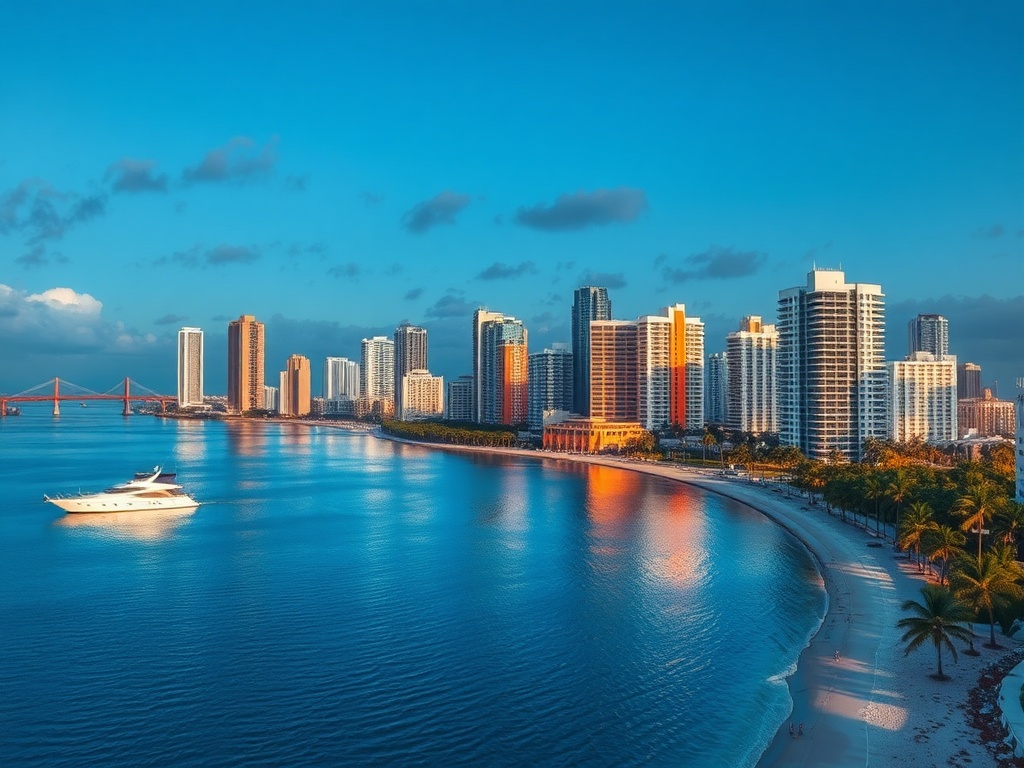
Neighborhood-level approaches—raising roads, installing flood gates, and retrofitting buildings—are increasingly common, especially in lower-lying areas.
Developers are incorporating elevated lobby entrances, ground-floor floodproofing, and mechanical systems designed to withstand temporary inundation. Insurance markets and lending practices are also responding, influencing where and how new construction happens. This shift is creating opportunities for innovation in architecture, landscape design, and municipal planning.
Neighborhood trends and lifestyle
Miami’s neighborhoods each offer distinct draws. Brickell continues to act as a financial hub with high-rise living and walkable dining options. Wynwood remains a cultural anchor with street art, galleries, and a growing food scene. Cuban culture pulses through Little Havana with lively cafés, music, and festivals.
Coral Gables and Coconut Grove preserve tree-lined streets and a slower pace, attractive to families and those seeking green space.
Outdoor living is central to Miami life. Boating, paddleboarding, and beach days coexist with an expanding network of parks, bike lanes, and waterfront promenades. The culinary landscape blends Latin, Caribbean, and global influences, making Miami a destination for food lovers alongside its broader cultural offerings.
Transportation and connectivity
Improving mobility is a priority, with investments aimed at reducing car dependence and linking neighborhoods more effectively.
Enhanced bus and rail connections, bike-friendly corridors, and pedestrian improvements help ease congestion and expand access to jobs and amenities.
Ride-sharing and micro-mobility options supplement public transit, especially for first- and last-mile travel.
What residents and newcomers should know
– Choose neighborhoods based on lifestyle and practical concerns: commute times, elevation, flood mitigation measures, and walkability.
– Understand insurance and financing implications: flood risk can affect premiums and lending requirements, so check property-specific information.
– Embrace outdoor living: take advantage of parks, beaches, and waterways while following local safety guidance for tides and weather.
– Get to know community resilience efforts: neighborhood associations often lead local preparedness and adaptation projects.
– Support green infrastructure: individual actions like permeable landscaping and native plantings contribute to broader drainage and habitat benefits.
Economic and cultural outlook
Miami’s appeal remains strong as a hub for finance, tech startups, tourism, and the creative industries.
Cultural festivals, museums, and a dynamic restaurant scene continue to attract visitors and investment.
At the same time, long-term economic health will hinge on coordinated public-private responses to climate and infrastructure challenges.
For anyone living in, visiting, or investing in Miami, the city offers a vibrant lifestyle intertwined with pragmatic adaptation. The evolving mix of innovation, culture, and coastal living makes Miami a place where daily life is lived outdoors, creativity is on display, and resilience is part of the urban fabric.