
Miami’s Reinvented Waterfront: Art, Food, Nightlife and Climate Resilience
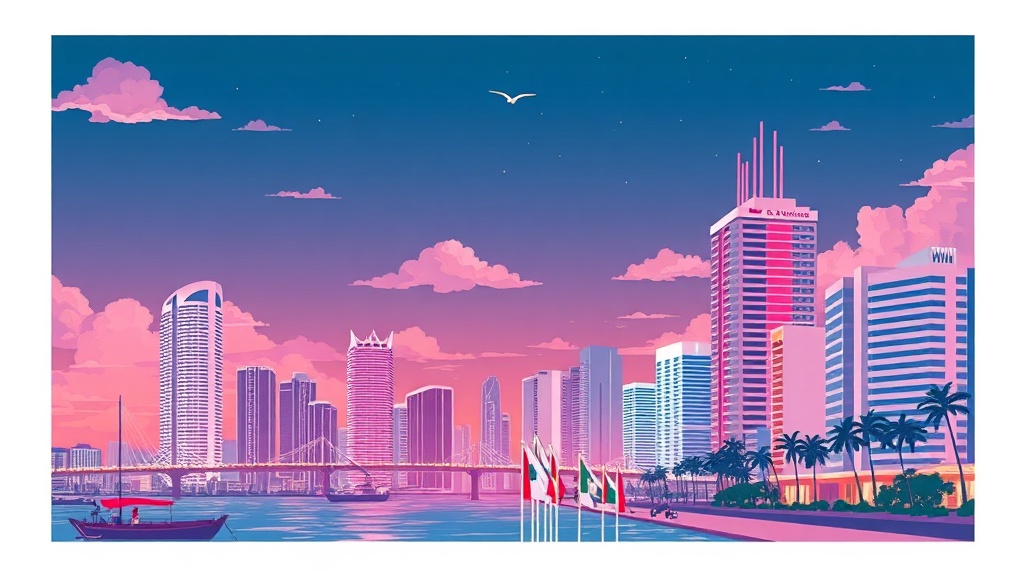
Miami’s waterfront keeps reinventing itself — balancing high-energy culture, booming hospitality, and urgent climate resilience. For visitors and residents alike, the city offers an unpredictable mix: world-class dining and art scenes set against an environment where planners, engineers, and communities are actively adapting to coastal realities.
Waterfront resilience and urban design
Rising tides and more frequent flooding have pushed local governments and developers to rethink waterfront living.
Expect to see streets elevated, seawalls reinforced, and new pump systems where tidal flooding is routine. Green infrastructure — like bioswales, permeable pavements, and expanded mangrove buffers — is becoming standard in public projects, helping slow stormwater runoff while improving neighborhood walkability. These measures aren’t just about survival; they’re shaping new public spaces that blend utility with design.
Neighborhoods that define the city
– South Beach: Still the headline for sun, nightlife, and iconic Art Deco architecture. Beachfront promenades and curated hotel experiences keep it on many must-visit lists.
– Wynwood: A dynamic arts hub known for large-scale murals, independent galleries, and growing culinary experimentation. Galleries and pop-up shows coexist with boutique retail and brewing culture.
– Brickell and Downtown: The financial backbone with a denser, high-rise skyline. Expect modern dining, rooftop bars, and growing transit-oriented development as the urban core becomes more 24/7.
– Little Havana: Cultural heart where Cuban heritage thrives through cafes, live music, and street festivals. It’s an essential stop for authentic flavors and cultural connection.
Food, nightlife, and cultural events
Miami’s dining scene continues to expand beyond classic Cuban and Latin offerings into creative fusion, sustainable seafood, and chef-driven tasting menus. Food halls and neighborhood-focused eateries offer quality at multiple price points.
Nightlife ranges from iconic beachfront clubs to intimate cocktail bars and late-night eateries; discover experiences that fit any mood, from lively DJs to laid-back lounges.
Arts and festivals hold strong pull: major fairs, gallery weeks, and a calendar packed with pop-ups and performances attract global attention and local pride. For art lovers, Wynwood and the Design District remain hotspots for discovering new work without needing to track a long list of events.
Outdoor life and active travel
Miami’s climate invites outdoor living. Beyond beaches, there are kayak tours through mangroves, bike-friendly corridors, and waterfront parks that prioritize pedestrian access.
Conservation-minded tours highlight the region’s unique ecosystems and the challenges they face, offering practical ways for visitors to support local stewardship efforts.
Getting around
Car travel is still common, but multimodal options are increasing. Bicycle lanes, rideshare services, and commuter rail links provide alternatives for short trips and airport connections.
For a city with dense tourist hubs and growing residential neighborhoods, combining transit options often saves time and reduces parking headaches.
Tips for visiting or relocating
– Pick a neighborhood that matches lifestyle priorities: nightlife, family-friendly green space, or business proximity.
– Expect to plan for weather variability — afternoon storms are common during warm months.
– Support local businesses and cultural venues; many longtime favorites coexist with innovative newcomers.
Miami is a coastal metropolis in active transformation — a place where vibrant culture and forward-looking infrastructure meet. Whether drawn by art, food, or the ocean, people who engage thoughtfully with the city find a dynamic urban experience that’s both exciting and evolving.