
Recommended: Miami’s Coastal Resilience: How Neighborhoods, Mangroves & Design Are Adapting
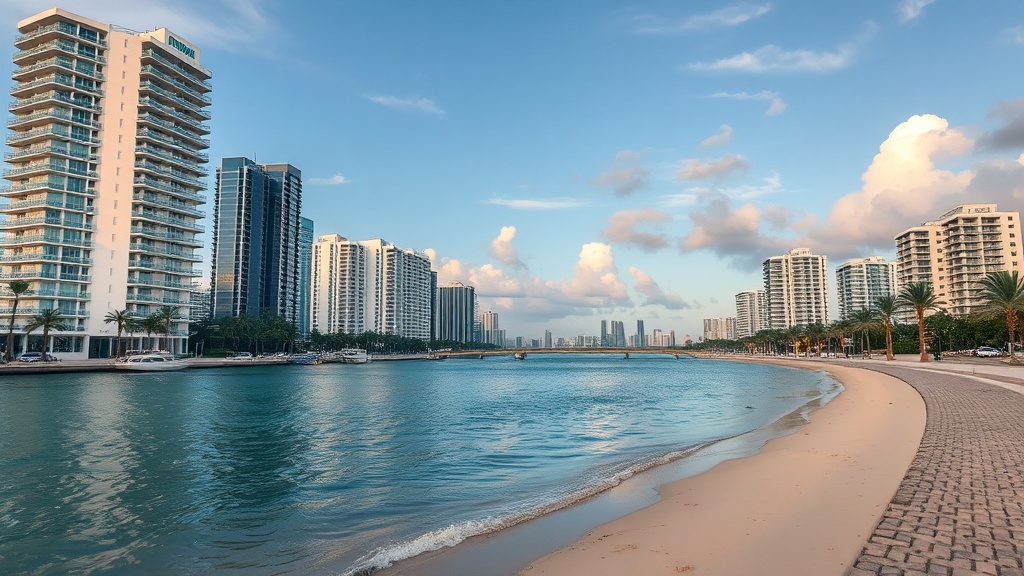
Miami’s coastline and neighborhoods are reshaping how a modern coastal city adapts to environmental, economic, and cultural change. From elevated boardwalks to restored mangroves and a vibrant arts scene, Miami blends pragmatic resilience with bold creativity. That mix matters for residents, businesses, and visitors who want to enjoy the city while navigating its unique challenges.
Resilience is visible across the cityscape.
Flood mitigation projects—ranging from upgraded stormwater pumps to raised streets and redesigned drainage—aim to reduce nuisance flooding that affects low-lying areas after heavy rain or king tides. Natural solutions are gaining traction too: mangrove restoration, living shorelines, and coastal dune reinforcement help absorb storm energy and slow erosion while supporting wildlife. Private property owners are increasingly incorporating flood-proofing measures such as raised utilities, water-resistant materials, and ground-floor design adjustments.
Neighborhoods are evolving in response. Historic districts and commercial corridors are balancing preservation with adaptation by raising sidewalks, installing permeable pavement, and improving public transit access to reduce car dependence. Mixed-use centers like downtown and key urban villages continue to attract investment, with developers and planners prioritizing walkability, shaded public spaces, and cooling strategies to counter urban heat.
Culture and commerce remain core to Miami’s appeal.
The city’s gallery districts, culinary scene, and outdoor dining culture are thriving alongside waterfront activation projects designed to keep people close to the water while minimizing environmental impact.
Street-level murals and public art help build community identity even as infrastructure projects reshape streets and plazas.
Practical considerations for residents and visitors
– Know flood-prone areas: Check local resources for neighborhood flood maps and plan routes that avoid low-lying streets during high tides or heavy rain.
– Prepare your home: Small upgrades—sandbags for storms, raised electrical panels, and water-resistant landscaping—can reduce damage and recovery time.
– Use transit wisely: Expanded public transit and bike infrastructure make it easier to move around without relying on congested routes that flood easily.
– Support natural solutions: Community volunteer programs often help plant mangroves and maintain coastal trails; participation boosts resilience and connects neighbors.
Economic opportunity and smart investment
Investors and entrepreneurs are steering capital toward projects that combine climate resilience with long-term value. Buildings designed for elevated first floors, efficient cooling, and energy resiliency command attention from responsible developers and tenants. Similarly, ecotourism and outdoor recreation tied to restored natural areas create sustainable revenue while promoting conservation.
Staying engaged
Public meetings, community workshops, and local media are good ways to stay informed about planning and permitting that affect neighborhoods. Civic participation helps align investments with community needs and ensures that improvements benefit long-term residents as well as newcomers.
Miami is deeply connected to its coastal setting, and that connection drives innovation across infrastructure, design, and culture. By combining practical measures with nature-based approaches and community-led solutions, the city is redefining how a vibrant coastal metropolis can thrive while adapting to changing conditions. Staying informed, prepared, and involved is the most effective way to enjoy and preserve what makes Miami unique.