
Ultimate Miami Guide: Neighborhoods, Dining, Outdoor Life & Coastal Resilience
Miami’s magnetism comes from a mix of sun, water, and an energetic cultural scene that keeps evolving.
Whether you’re planning a visit, scouting neighborhoods, or following how the city adapts to coastal challenges, Miami offers a blend of lifestyle, creativity, and resilience worth exploring.
Why Miami stands out
Miami’s coastal location creates a year-round outdoor lifestyle: beaches, boating, dining al fresco, and festivals. The city is also a cultural crossroads with strong Latin American and Caribbean influences visible in music, food, and public art.
That cultural vibrancy fuels neighborhoods with distinct personalities—from high-energy beachfront districts to tight-knit, arts-forward enclaves.
Neighborhood highlights
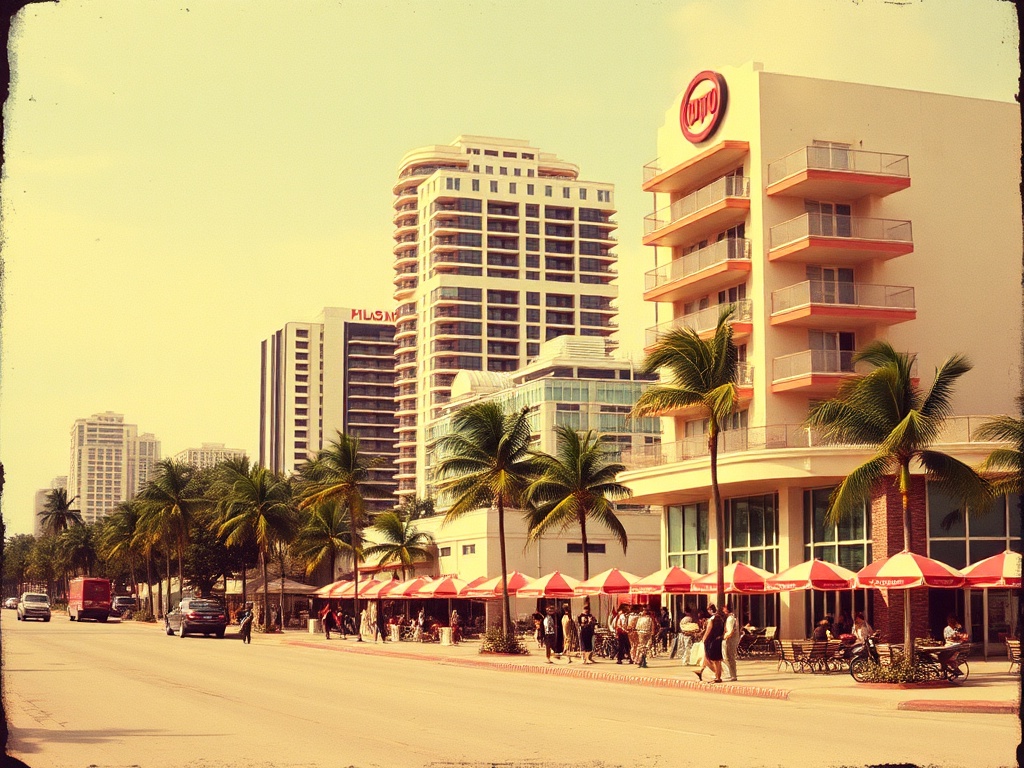
– South Beach: Iconic beaches, nightlife, and historic Art Deco architecture make this a top draw for visitors who want sun and late-night energy.
– Wynwood: Known for large-scale murals, galleries, and trendy cafes, Wynwood is a hub for street art and creative startups.
– Little Havana: A cultural heartland where family-run restaurants, live music, and vibrant festivals celebrate Cuban and broader Latin heritage.
– Coconut Grove & Coral Gables: Offer tree-lined streets, boutique shopping, and a quieter residential vibe for those seeking slower-paced living.
Dining and nightlife
Miami’s dining scene is diverse—seafood-forward coastal cuisine, modern Latin fusion, and an ever-growing fine dining segment. Food halls, waterfront restaurants, and chef-driven pop-ups provide options for every budget and taste.
Nightlife ranges from upscale rooftop bars to intimate live-music venues; reservation planning helps during busy weekends.
Outdoor activities and wellness
The city’s natural assets support kayaking through mangroves, cycling on waterfront paths, and early-morning beach fitness classes. Public parks and restored coastal habitats offer accessible green space, while nearby islands and state parks provide day-trip escapes for snorkeling, wildlife viewing, and hiking.
Resilience and city planning
Miami is actively addressing coastal challenges with approaches that include upgraded stormwater systems, elevated roads in vulnerable areas, and increased green infrastructure like restored wetlands and porous pavements to improve drainage.
Real estate and infrastructure projects increasingly consider long-term water management and energy efficiency, reflecting a shift toward sustainable urban design.
Transportation and getting around
A mix of public transit, rideshare, cycling lanes, and car-friendly roads defines mobility. Transit improvements and micro-mobility options—scooters and bike-share programs—make short trips easy in dense districts. Parking demand can be high in tourist areas, so plan for transit alternatives during peak times.
Practical tips for visitors and new residents
– Plan around heat and humidity: schedule outdoor activities for mornings and evenings when it’s cooler.
– Stay hydrated and use sunscreen; sudden showers are common and pass quickly.
– Book restaurants and nightlife reservations in advance for popular spots.
– Check neighborhood vibes before booking—beach areas are lively while some inland districts are more residential.
– If considering real estate, factor in insurance, flood zones, and local resilience measures.
Why keep watching Miami
The city continues to reinvent itself through arts, gastronomy, waterfront development, and resilience planning. For travelers, residents, and investors, Miami remains a dynamic destination where culture and coastal living intersect, offering both lifestyle appeal and the challenges of thoughtful urban adaptation.